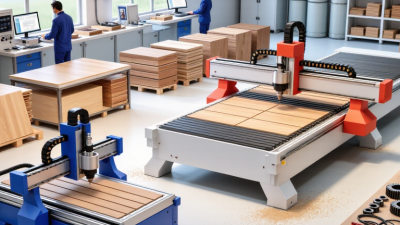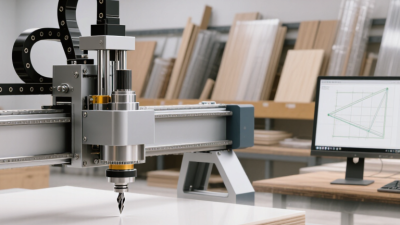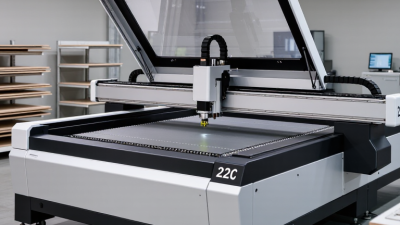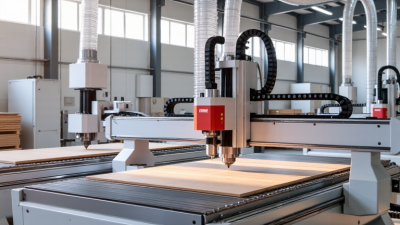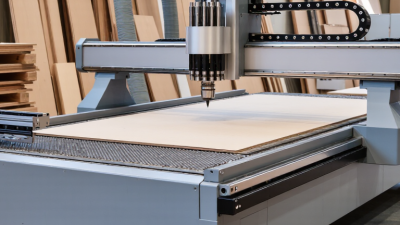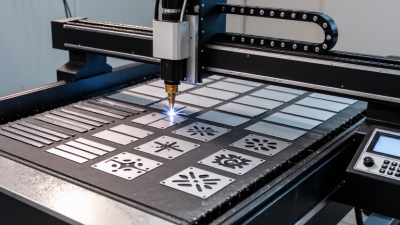
Top Tabletop CNC Plasma Cutters for Global Buyers
Choosing a Tabletop CNC Plasma Cutter is rarely as simple as comparing advertised cutting thickness. Global buyers must consider electrical standards, software compatibility, shipping protection, service access, and local safety requirements. A compact machine may fit neatly beside a workshop bench, yet still need strong ventilation, stable grounding, and enough clearance for sparks and metal dust.
This guide examines leading tabletop models through practical purchasing criteria. We look at cutting accuracy, motion control, torch height sensing, working area, duty cycle, consumable availability, and operator support. A reliable cutter should produce clean edges on materials such as mild steel, stainless steel, and aluminum, while maintaining consistent movement during repeated jobs. Small details matter. A rigid frame reduces vibration. A clear control panel prevents costly setup mistakes.
Specifications can mislead.
Real-world performance depends on material condition, air pressure, torch settings, and operator experience. Therefore, this overview does not treat maximum cutting capacity as the only measure of value. It considers how each Tabletop CNC Plasma Cutter performs in workshops, small factories, educational spaces, and mobile production environments. Buyers should also verify regional voltage, plug standards, import documentation, warranty terms, and replacement-part availability before ordering.
No machine fits everyone.
Some recommendations may change after longer testing or different material trials. That limitation deserves honesty. The best choice balances precision, portability, safety features, software usability, and long-term support. By comparing these factors carefully, international buyers can reduce avoidable costs and select equipment suited to their actual production needs.
Read more »

 By:Evelyn
- November 2, 2026



 By:Adrian
- October 18, 2026
 By:Amelia
- October 13, 2026