
0%

Choosing a Tabletop CNC Plasma Cutter is rarely as simple as comparing advertised cutting thickness. Global buyers must consider electrical standards, software compatibility, shipping protection, service access, and local safety requirements. A compact machine may fit neatly beside a workshop bench, yet still need strong ventilation, stable grounding, and enough clearance for sparks and metal dust.

This guide examines leading tabletop models through practical purchasing criteria. We look at cutting accuracy, motion control, torch height sensing, working area, duty cycle, consumable availability, and operator support. A reliable cutter should produce clean edges on materials such as mild steel, stainless steel, and aluminum, while maintaining consistent movement during repeated jobs. Small details matter. A rigid frame reduces vibration. A clear control panel prevents costly setup mistakes.

Specifications can mislead.

Real-world performance depends on material condition, air pressure, torch settings, and operator experience. Therefore, this overview does not treat maximum cutting capacity as the only measure of value. It considers how each Tabletop CNC Plasma Cutter performs in workshops, small factories, educational spaces, and mobile production environments. Buyers should also verify regional voltage, plug standards, import documentation, warranty terms, and replacement-part availability before ordering.

No machine fits everyone.

Some recommendations may change after longer testing or different material trials. That limitation deserves honesty. The best choice balances precision, portability, safety features, software usability, and long-term support. By comparing these factors carefully, international buyers can reduce avoidable costs and select equipment suited to their actual production needs.
Top Tabletop CNC Plasma Cutters for Global Buyers

Tabletop CNC Plasma Cutter Basics and Working Principles

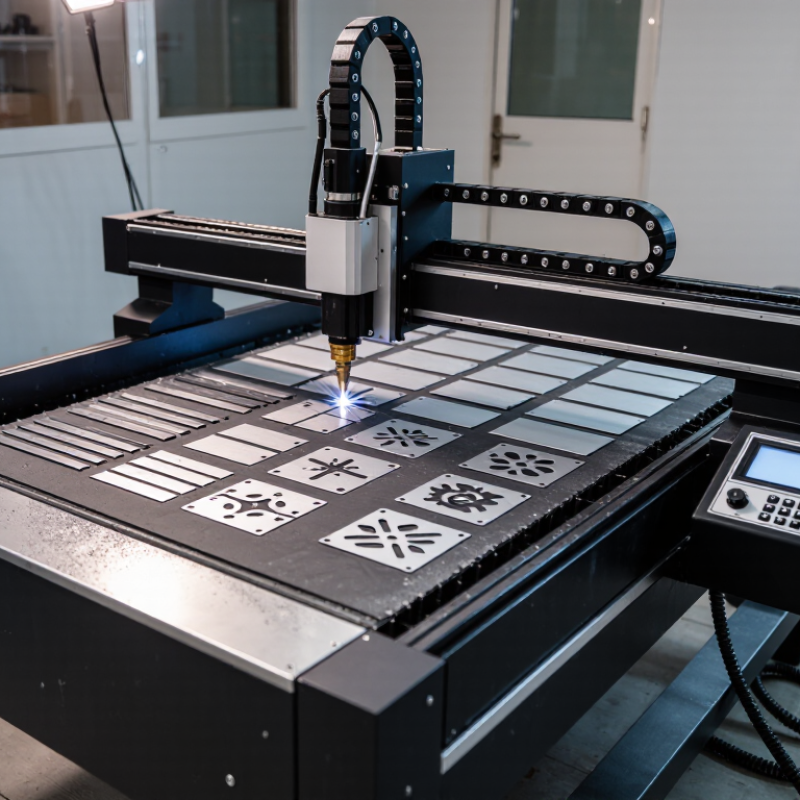
A tabletop CNC plasma cutter combines a compact cutting bed, a moving torch, and computer-controlled motion. It cuts conductive metal by creating a focused plasma arc. Compressed air passes through the torch and becomes electrically energized. The resulting jet melts the metal and pushes the molten material away.

The controller follows a digital cutting path, often prepared from a CAD drawing. Stepper motors move the torch along the X and Y axes. A height-control system can adjust torch distance as the sheet changes. This matters because excessive height weakens the arc, while insufficient height may damage the torch. A clean ground connection, stable air pressure, and suitable consumables support consistent results.

In practical use, I check the table, cables, and air filter before cutting. Small steel sheets can shift during operation, so secure positioning is essential. Ventilation and appropriate protective equipment should never be treated as optional. Local workplace requirements also deserve attention. I have found that even a carefully prepared file can produce rough edges when material varies. That is a useful reminder: software precision cannot correct every physical problem. Thin metal may warp, and thicker plate may need slower settings. Test cuts remain valuable. Even then, the first result is not always perfect.

Key Features to Compare for Global Buyers

For global buyers, a tabletop CNC plasma cutter should be judged by cut quality, not only advertised amperage. The International Federation of Robotics reported 541,302 industrial robot installations in 2023, showing how quickly automated production is expanding. Compact equipment must therefore support repeatable work.

Check the working area first.

A 600 × 900 mm bed may suit brackets, signs, and repair parts, but it limits larger sheets. Compare torch height control, rated duty cycle, cutting speed, and pierce capacity. A stable height-control system reduces bevels and wasted material. It also helps when steel surfaces are slightly warped. Slightly.

Motion accuracy matters more than impressive software menus.

Look for rigid gantry construction, protected linear rails, and accessible replacement parts. Buyers should confirm whether the controller supports common drawing formats and whether local technicians can service it. International Energy Agency data shows industry remains a major electricity user worldwide, so power consumption deserves attention. Compare input voltage, standby draw, extraction needs, and compressed-air requirements.

Safety features require careful inspection.

A guarded torch path, emergency stop, grounding instructions, and clear ventilation guidance are essential. ISO 12100 risk-assessment principles provide a useful reference. My own buying mistake would be trusting a small footprint too quickly; a compact machine can create crowded access around the sheet. Ask for test cuts using your actual material, thickness, and air supply. Manufacturer samples can look perfect. Your workshop may disagree.

Top Tabletop CNC Plasma Cutter Types and Applications

Top Tabletop CNC Plasma Cutters for Global Buyers

Tabletop CNC plasma cutters usually fall into three practical types. Compact air-plasma tables suit mild steel signs, brackets, and small repair parts. Water-table models reduce smoke and cool thin sheets during repeated cutting. Downdraft tables capture fumes beneath the work area, which helps in enclosed workshops. Some systems use dual-axis gantries, while others add rotary attachments for tubes and simple profiles.

Application should guide the purchase. A fabrication school may need an easy-to-service table with clear software controls. A small workshop may prefer a 1,200-by-600-millimeter cutting area for steel panels and furniture components. For agricultural maintenance, a stronger torch can handle thicker plate, but cutting speed will drop. I have seen buyers focus on maximum thickness and overlook kerf width, noise, and consumable costs. That choice often creates disappointing edges.

Tips: Check local voltage, plug standards, and electrical certification before ordering. Confirm the table supports the intended sheet size and metal thickness. Ask for sample cuts, maintenance instructions, and replacement-part availability. Keep a small allowance for setup errors; the first cuts are rarely perfect. Ventilation, eye protection, fire control, and proper grounding remain essential, even on a compact machine.

Top Tabletop CNC Plasma Cutters for Global Buyers

Top Tabletop CNC Plasma Cutter Types and Applications

The chart presents indicative mild-steel thickness bands commonly associated with tabletop CNC plasma cutter classes. Light-duty systems are often used for signs, artwork, and thin sheet metal; general-fabrication systems suit brackets, panels, and repair parts; higher-output tabletop systems are used for heavier plate and structural components. Actual results depend on plasma power, consumables, cutting speed, material grade, and air quality.

How to Choose the Right Cutter for Your Workshop

Top Tabletop CNC Plasma Cutters for Global Buyers

How to Choose the Right Cutter for Your Workshop

Choosing a tabletop CNC plasma cutter starts with your workshop, not its advertised cutting thickness. Measure your available bench space, material sizes, and electrical supply. A compact machine may fit neatly beside a workbench, yet struggle with full sheets. Check input voltage, frequency, grounding requirements, and local electrical standards before ordering. Small details matter.

Air quality also affects results. Clean, dry compressed air produces steadier arcs and fewer rough edges. Confirm the required airflow and pressure with the technical manual. I have seen beginners blame the torch when moisture was the real problem. It happens. A reliable cutter should include clear maintenance instructions, replaceable consumables, and accessible technical support in your region.

Examine the drive system, torch-height control, software compatibility, and emergency-stop design. Test whether the control interface feels understandable before buying. A machine with impressive specifications can still waste time if setup feels confusing. For international purchases, request documentation in a usable language and verify warranty coverage, spare-part shipping, import duties, and service response times. Ask for sample cuts on your usual steel thickness. One honest test piece often reveals more than a polished product page. Also consider noise, fumes, and extraction space; a small workshop can become uncomfortable quickly. Safety features should be practical, visible, and compliant with applicable local regulations.

Safety, Maintenance, and International Purchasing Considerations

Tabletop CNC plasma cutters suit small workshops, but compact size does not remove serious hazards. OSHA estimates that about 1,000 workplace eye injuries occur daily in the United States. A face shield alone is not enough; operators need certified eye protection, gloves, hearing protection, and flame-resistant clothing. Install local fume extraction, keep curtains around the cutting area, and remove combustible materials from the table. Plasma arcs are bright, noisy, and unforgiving.

Maintenance begins with dry, filtered compressed air. Moisture can damage consumables and produce unstable cuts. Check the air pressure, torch height, ground clamp, cables, and extraction filters before each shift. ISO 12100 recommends documented machinery risk assessment, while IEC 60204-1 addresses electrical equipment safety. These standards guide good practice, but they do not replace local inspection rules. I still find that many buyers skip filter replacement schedules. That mistake becomes expensive.

International purchasing requires more than comparing cutting thickness. Confirm voltage, frequency, plug type, warranty coverage, spare-part availability, and customs documentation. The International Energy Agency reports that electricity demand continues rising across industrial sectors, making energy efficiency a practical purchasing factor. Ask for measured power consumption, not marketing estimates. Verify electromagnetic compatibility and required conformity markings in the destination market. Import taxes, language requirements, and recycling obligations can also alter the real cost. A cheaper machine may become costly after one delayed replacement part.

Top Tabletop CNC Plasma Cutters for Global Buyers - Safety, Maintenance, and International Purchasing Considerations

Evaluation Area Typical Data or Range What It Means for Buyers Safety, Maintenance, or Purchasing Checks Priority
Effective Cutting Area Approximately 600 × 900 mm to 1,000 × 2,000 mm Smaller beds suit signs, brackets, artwork, and prototypes; larger beds accommodate panels and repeated production work. Confirm usable cutting dimensions rather than the outside frame size. Check whether the work area can be expanded or replaced. High
Recommended Material Mild steel, stainless steel, and aluminum Plasma cutting is suitable for electrically conductive metals. Non-conductive materials such as wood and plastic require different processes. Verify that the power source and consumables are approved for the intended metal type and thickness. Technical
Practical Mild-Steel Thickness Common tabletop range: about 3–12 mm; capacity varies by plasma power and travel speed “Maximum cut” and “recommended production cut” are not the same. Consistent edge quality normally requires operating below the stated maximum. Request test-cut results at the buyer’s target thickness. Evaluate kerf quality, dross, piercing performance, and repeatability. High
Plasma Power Source Often 40–100 A for compact tabletop systems Higher amperage can improve thickness capability, but it may increase electrical demand, consumable cost, heat, and air requirements. Confirm rated output, input current, duty cycle, torch type, pilot-arc method, and compatibility with the local electrical supply. High
Input Voltage and Frequency Common supplies include 120 V or 230/240 V AC; frequency may be 50 or 60 Hz Electrical compatibility differs by country and installation. Some higher-power units require a dedicated circuit. Check the nameplate rating, plug configuration, phase requirement, breaker size, grounding method, and whether a certified local electrician is needed. Critical
Compressed-Air Requirement Typically around 4.1–8.3 bar (60–120 psi), subject to the power-source manual Stable, clean, dry air supports reliable arc starting and longer consumable life. Use a filter-regulator; drain the compressor tank; control moisture and oil contamination; confirm flow rate, not pressure alone. High
Ventilation and Fume Control Downdraft, water-table, or suitable local exhaust ventilation Plasma cutting produces fumes, smoke, dust, ultraviolet radiation, and hot particles. Do not rely on a small room fan. Use engineered extraction or an appropriate water table, and follow local occupational exposure requirements. Critical
Table and Slat Design Replaceable steel slats with a sacrificial support surface Replaceable slats reduce downtime and help protect the machine frame from reflected heat and arc damage. Inspect slats for warping and heavy dross buildup. Keep the sheet level and remove accumulated scrap before it interferes with motion. High
Motion and Positioning Motor-driven X/Y movement; some systems include Z-axis height control Z-axis control can help maintain torch-to-work distance when sheet flatness varies, improving cut consistency. Check rail protection, backlash, homing repeatability, cable routing, emergency-stop function, and torch-height-control compatibility. High
Consumable Service Life Highly variable; affected by amperage, piercing frequency, air quality, material, and operator settings No universal operating-hour figure is reliable. Incorrect standoff and wet air can shorten nozzle and electrode life substantially. Keep spare electrodes, nozzles, swirl rings, shields, and retaining caps. Replace parts when the orifice is enlarged, damaged, or visibly worn. High
Daily or Per-Shift Maintenance Inspect torch, leads, air filter, slats, grounding, and emergency stop Routine checks reduce misfires, poor cuts, unexpected downtime, and avoidable safety incidents. Disconnect power before service, remove hot slag safely, clean the work area, and follow the supplied maintenance schedule. Critical
Electrical and Arc Safety High-voltage, high-temperature plasma arc; hot workpiece and conductive dust Operators face risks from electric shock, burns, fire, flying particles, arc radiation, and metal fumes. Use eye and face protection with suitable shade, flame-resistant clothing, gloves, hearing protection, proper grounding, and a clear hot-work area. Critical
Fire and Thermal Controls Hot sparks and molten metal can travel beyond the cutting zone Combustible surfaces, dust, packaging, and nearby gases can create a serious fire hazard. Maintain a non-combustible work zone, keep a suitable fire extinguisher accessible, remove flammable materials, and monitor the machine after cutting. Critical
Software and File Compatibility Common workflows use CAD files exported to DXF or other machine-supported formats File compatibility affects setup time, nesting efficiency, scaling accuracy, and operator training. Confirm supported file formats, unit settings, post-processor requirements, license terms, offline operation, and translated documentation. High
Noise and Workspace Plasma arc, compressor, fans, and cutting action can produce substantial noise A compact footprint does not eliminate the need for a controlled workshop environment. Measure available floor space including service clearance. Use hearing protection and verify local noise and ventilation rules. High
Packaging for International Shipment Moisture-resistant, shock-protected packaging with immobilized moving parts Tabletop machines can be damaged by vibration, impact, corrosion, or water ingress during sea, air, or road transport. Request export-grade packing, internal bracing, lifting points, packing-list photos, gross weight, package dimensions, and spare-parts protection. High
Import Documentation Commercial invoice, packing list, transport document, product description, and tariff classification Incorrect descriptions or incomplete documents can delay customs clearance and increase landed cost. Confirm the HS classification with a customs professional, verify country-of-origin marking, and agree who handles export and import formalities. Critical
Product Conformity Requirements vary by destination and may include electrical, EMC, machinery, and workplace-safety rules A product suitable in one market may need additional documentation, labeling, testing, or modifications in another. Request applicable declarations, test reports, manuals, wiring diagrams, risk information, and local compliance evidence before payment. Critical
Incoterms and Landed Cost Costs may include machine price, freight, insurance, duties, taxes, brokerage, inland delivery, and installation The lowest purchase price may not produce the lowest delivered cost. Compare quotations using the same Incoterms version, destination, packaging standard, currency, lead time, warranty scope, and payment conditions. Critical
Warranty and Technical Support Coverage, response time, spare-parts availability, and remote support differ by supplier and destination Downtime can be more expensive than the original price difference, especially when specialized parts are imported. Obtain written warranty terms, exclusions, response targets, troubleshooting procedures, parts lists, video support options, and recommended local service arrangements. High

FAQS

What is a tabletop CNC plasma cutter?

It uses compressed air and electrical energy to cut conductive metal. The energized air becomes a focused plasma jet. The jet melts metal and pushes molten material away.

How does the cutting process follow a design?

A controller follows a digital path from a CAD drawing. Stepper motors move the torch across the X and Y axes. The machine cuts the programmed shape.

Why is torch-height control important?

It keeps the torch at a suitable distance from the sheet. Too much height weakens the arc. Too little height may damage the torch. Warped steel makes this feature especially useful.

What working area should a workshop choose?

A 600 × 900 mm bed suits brackets, signs, and repair parts. It may not handle full sheets comfortably. Measure your largest material before ordering. Space disappears quickly.

How does compressed-air quality affect cutting?

Clean, dry air supports a steadier arc and smoother edges. Moisture can cause rough cuts and unstable operation. Check the required pressure and airflow in the technical manual. The torch may not be the problem.

Which machine features deserve close comparison?

Compare cut quality, duty cycle, cutting speed, and pierce capacity. Rigid gantries and protected linear rails can improve repeatability. Accessible replacement parts also matter. Impressive software menus cannot fix weak mechanics.

What safety arrangements should a workshop provide?

Use a guarded torch path, emergency stop, proper grounding, and effective ventilation. Wear suitable protective equipment during operation. Plan space for fumes, noise, and extraction equipment. Safety cannot be an afterthought.

Why are test cuts important before purchase?

Request test cuts using your actual material, thickness, and air supply. A polished sample may not match your workshop conditions. Thin steel can warp, while thick plate may need slower settings. My own mistake would be trusting specifications too quickly. The first cut may still disappoint.

Conclusion

A Tabletop CNC Plasma Cutter is a compact computer-controlled machine designed to cut electrically conductive materials with a focused plasma arc. It combines digital designs, motion control, and compressed air or gas to produce accurate shapes efficiently. For global buyers, important comparison points include cutting thickness, worktable size, positioning accuracy, operating speed, power requirements, software compatibility, and ease of setup. Different types may suit light fabrication, educational workshops, repair work, artistic projects, or small-scale production, depending on material requirements and workload.

Choosing the right cutter requires matching its capacity and control features to the workshop’s available space, electrical system, budget, and expected production volume. Buyers should also evaluate ventilation, protective equipment, grounding, torch consumables, cleaning routines, and maintenance support. When purchasing internationally, confirm voltage standards, documentation, packaging, spare-part availability, shipping conditions, warranty terms, and local compliance requirements. A careful assessment helps ensure safe operation, dependable performance, and long-term value.

Amelia

Amelia

Amelia is a dedicated marketing professional with a strong understanding of the company’s products, services, and customer needs. Through her experience in market research, content strategy, and digital communication, she transforms complex product information into clear, practical, and engaging......