
0%

Choosing the right China furniture making CNC router supplier requires more than comparing online prices. A reliable supplier should understand cabinet production, solid wood cutting, panel processing, and custom furniture workflows. The term Furniture Making CNC Router covers many machine types, from compact three-axis models to advanced nesting systems. Their performance can differ greatly.

Experienced buyers usually examine spindle power, working size, transmission structure, vacuum-table strength, and software compatibility. A 1325 machine may suit small workshops, while larger factories may need a 1530 or dual-zone configuration. Material matters. MDF, plywood, hardwood, and laminated boards create different cutting demands. Dust collection also deserves attention, especially during long production shifts.

Real factory evidence is valuable. Ask for detailed videos, sample cuts, wiring layouts, and customer references where possible. A dependable supplier should explain installation, operator training, maintenance, replacement parts, and response times clearly. Do not accept every technical promise immediately. Some specifications look impressive but lack practical context.

Small details can reveal quality. Check cable routing, spindle cooling, emergency-stop design, and the stiffness of the gantry. Request a test cut using your own drawing and material. This may expose vibration, rough edges, or software limitations before purchase. Certification and export documentation should also match your market’s requirements. No machine is perfect. Even a strong supplier may have delays or communication gaps. Careful verification remains essential. The best choice balances machine accuracy, service capability, total cost, and your actual furniture-making goals.
China Best Furniture Making CNC Router Supplier?

What Is a Furniture-Making CNC Router?

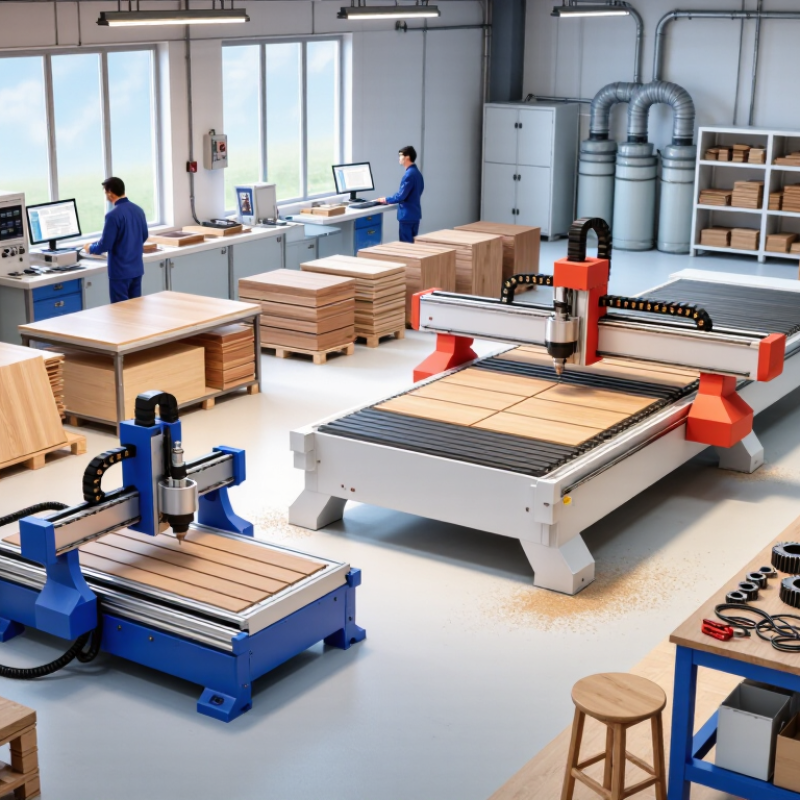
A furniture-making CNC router is a computer-controlled cutting machine for wood-based panels and solid timber. It follows digital instructions to cut, drill, groove, carve, and shape components. A typical system includes a gantry, spindle, vacuum table, motion rails, and control software. The operator imports a CAD drawing and converts it into toolpaths. The machine then repeats each cut with consistent positioning.

In a workshop, a 2440 × 1220 millimetre sheet can become cabinet sides, doors, shelves, and joints. Automatic nesting reduces material waste by arranging parts closely. Actual savings depend on blade diameter, panel quality, and operator settings. A 2023 report from Grand View Research valued the global CNC machine market at more than 80 billion US dollars. Its analysis also identifies automation and digital production as major growth factors. Furniture manufacturers increasingly use routers to improve repeatability and shorten setup time. The machine is not a complete solution. Dust extraction, tool calibration, feed speed, and safe work practices still determine the result. I have seen accurate designs fail because the vacuum grip was weak. Small errors become visible around hinges and edge bands. That limitation deserves attention. The International Federation of Robotics reported over 500,000 industrial robots installed worldwide in 2023, showing the wider shift toward automated manufacturing. CNC routing is part of that shift, but skilled judgment remains necessary.

China Best Furniture-Making CNC Router Supplier? What Is a Furniture-Making CNC Router?

A furniture-making CNC router is a computer-controlled cutting machine used to nest, cut, drill, groove, and engrave furniture components from sheet materials. The chart shows common nominal thicknesses used for furniture panels and solid-wood components, helping buyers match machine capability with typical production requirements.

The 18 mm format is widely used for cabinet carcasses, shelves, and furniture panels, while thinner boards are common for backs and drawer bottoms. Solid-wood parts are often produced in thicker stock and may require suitable tooling, clamping, and feed-rate settings.

Key Features of CNC Routers for Furniture Production

China Best Furniture Making CNC Router Supplier?

Key Features of CNC Routers for Furniture Production

A furniture CNC router should combine accuracy, stability, and practical operating control. A rigid steel frame reduces vibration during long cutting cycles. This matters when producing cabinet doors, side panels, and fitted shelves. A reliable spindle should handle plywood, MDF, solid wood, and laminated boards. Variable speed control helps operators match cutting performance with different materials.

The vacuum table is another important feature. Strong, evenly distributed suction keeps large panels steady during routing. Poor holding can create shifting, rough edges, or wasted sheets. Automatic tool changing also improves production efficiency. It allows one machine to drill, groove, cut, and engrave with fewer interruptions. Software compatibility is equally important. Clear toolpath previews can prevent design errors before material reaches the table.

Dust collection should not be treated as an optional detail. Fine wood dust can reduce visibility and affect machine components. A well-designed extraction system keeps the work area cleaner. Operators also need accessible emergency controls and simple maintenance points. In daily production, small details often decide machine reliability. No router is perfect. Higher feed rates may increase output, but they can damage edges and shorten tool life. Regular calibration, clean rails, and correct tooling remain essential. A supplier should provide practical training, stable technical support, and clear service documentation. Claims are easy. Consistent performance is harder.

How to Evaluate Chinese CNC Router Suppliers

How to Evaluate Chinese CNC Router Suppliers

Finding the best furniture-making CNC router supplier in China requires more than comparing prices. Check the factory’s real production experience, engineering team, and export record. Ask for videos of machines cutting cabinet panels, doors, and curved furniture parts. A reliable supplier should explain spindle power, working size, transmission type, vacuum performance, and control software clearly. Vague answers are warning signs. I have learned that impressive photos cannot replace a live cutting test.

Tips: Request a sample cut using your own material and drawings. Inspect edge quality, cutting speed, dust collection, and repeated accuracy. Ask for a detailed quotation, including installation, spare parts, packaging, and training. Speak with recent customers if possible. One reference is not enough. Check several.

Supplier evaluation should also include after-sales support. Confirm response times, remote troubleshooting, technician availability, and warranty conditions in writing. Ask how quickly common parts can be supplied. A machine may perform well during testing but become difficult to maintain later. This point is often overlooked. Review electrical safety documents and machine specifications before making payment. If the supplier avoids factory inspection or refuses a practical demonstration, reconsider the purchase. I would also leave room for doubt; even a careful evaluation can miss hidden costs, delivery delays, or training weaknesses.

Top Selection Criteria for Quality, Service, and Value

China Best Furniture Making CNC Router Supplier?

Top Selection Criteria for Quality, Service, and Value

The best supplier is not always the one offering the lowest quotation. For furniture production, inspect the machine’s frame, spindle, servo system, and working accuracy. A heavy steel frame should resist vibration during long cutting sessions. Ask for test samples using your actual plywood, MDF, or solid wood. Watch the edges, corners, dust, and cutting noise. Small details reveal more than polished sales photographs.

Service quality deserves equal attention. Confirm installation support, operator training, response times, and spare-parts availability before placing an order. Request clear warranty terms in writing. Ask whether technicians can guide fault diagnosis through video calls. Reliable suppliers should provide electrical drawings, maintenance schedules, and software instructions. Certification documents also matter, but they should match the delivered machine, not merely appear in a brochure.

Value includes productivity, safety, maintenance, and future flexibility. Compare cycle times, energy use, tooling costs, and replacement-part prices. A cheaper router may become expensive when downtime interrupts cabinet orders. One common mistake is judging precision from a single perfect sample. Repeat the test after several hours of operation. That result may be less impressive, but more honest. Speak with working customers when possible, and ask about problems, not only successes. Even experienced buyers can overlook dust extraction or local voltage requirements. Supplier claims need practical verification.

Ordering, Installation, and After-Sales Support Process

China Best Furniture Making CNC Router Supplier?

Choosing a furniture-making CNC router requires more than comparing prices. A dependable supplier explains spindle power, working size, control software, and suitable cutting materials. During ordering, confirm voltage, dust collection, packaging, spare parts, and delivery terms in writing. Ask for a video test using your own cabinet panel or plywood pattern. This reveals cutting quality before payment and reduces unpleasant surprises.

Tips:

Prepare your factory layout before shipment. Mark power points, air lines, extraction routes, and loading access. Leave space around the machine for maintenance. Installation should include leveling, electrical checks, software setup, tool calibration, and operator training. A qualified technician should test cutting accuracy with measured samples. Record the settings for speed, feed rate, and cutting depth. Small details matter.

After-sales support should follow a clear process. Confirm response times, remote diagnosis methods, warranty coverage, and replacement-part availability. Useful support includes training videos, fault checklists, and scheduled maintenance reminders.

Keep photos, alarm codes, and material details when reporting a problem. This helps engineers locate the cause faster. Even careful planning can miss a local power issue or unsuitable tool. A short acceptance period is wise, because early feedback may expose installation gaps. Some suppliers promise broad support but provide vague answers later. Written service terms are therefore more reliable than friendly sales conversations.

FAQS

What is a furniture-making CNC router?

It is a computer-controlled machine for cutting, drilling, grooving, carving, and shaping wood components. It follows digital toolpaths from CAD drawings.

Which materials can a furniture CNC router process?

Common materials include plywood, MDF, wood-based panels, and solid timber. Cutting results depend on material quality and tool settings.

What sheet sizes can the machine handle?

A common panel measures 2440 × 1220 millimetres. It can produce cabinet sides, doors, shelves, and joints.

How does automatic nesting reduce material waste?

Nesting places parts closely on one sheet. It can reduce unused areas, but results vary with tool diameter and panel quality.

What machine features should buyers inspect?

Check the steel frame, spindle, servo system, rails, vacuum table, and working accuracy. Listen for cutting noise and watch for vibration.

How should a supplier’s quality claims be tested?

Request samples using your actual plywood or MDF. Repeat the test after several operating hours. One perfect sample proves little.

What support should be confirmed before ordering?

Confirm installation, training, response times, warranty terms, software guidance, and spare-parts availability. Written details are safer than friendly promises.

What should a workshop prepare before delivery?

Prepare power points, air lines, dust extraction, loading access, and maintenance space. Check local voltage requirements carefully.

What happens during installation?

Technicians should level the machine, check electrical connections, configure software, calibrate tools, and train operators. Small setup errors matter.

How can buyers judge long-term value?

Compare cycle time, energy use, tooling costs, maintenance, and possible downtime. A cheaper machine may become costly later.

What problems can reduce cutting accuracy?

Weak vacuum grip, poor calibration, incorrect feed speed, unsuitable tools, and dust buildup can affect results. Hinges and edge bands reveal errors quickly.

Conclusion

A Furniture Making CNC Router is a computer-controlled machine designed to cut, carve, drill, and shape materials such as wood, MDF, plywood, and certain composite panels with high accuracy. This article explains the key features that support efficient furniture production, including spindle performance, working area, motion precision, software compatibility, dust collection, safety systems, and the ability to handle different panel sizes and production tasks.

It also outlines how to evaluate Chinese CNC router suppliers by reviewing machine quality, technical specifications, customization options, production experience, communication, and customer feedback. Important selection criteria include overall value, delivery reliability, operator training, installation guidance, warranty coverage, spare-parts availability, and after-sales technical support. From initial consultation and machine configuration to ordering, installation, testing, and ongoing maintenance, the right supplier should provide a clear and professional process that helps furniture manufacturers achieve stable performance, consistent results, and long-term production efficiency.

Evelyn

Evelyn

Evelyn is a professional marketing specialist dedicated to helping customers better understand the value, quality, and practical benefits of our company’s products and services. With a strong background in market research, content strategy, and customer communication, Evelyn combines creative......