
0%

Choosing the Best CO2 CNC Laser Cutter in 2026 takes more than comparing advertised wattage. Global buyers need to match machine capability with real production needs, local service access, and the materials they plan to process. A compact machine may suit a workshop making signs, prototypes, or small batches. A larger bed can reduce repositioning when cutting full sheets, but it also requires more floor space and careful delivery planning.

The details matter. Check the working area, tube type, motion system, controller, exhaust requirements, and included safety features. Ask suppliers for a written specification, realistic cutting samples, warranty terms, and clear support arrangements. A video of a machine cutting thin acrylic is useful, but it does not prove performance on every material or thickness. Results depend on material quality, focus, speed, power, and maintenance. Small differences show up.

For international purchases, confirm voltage compatibility, spare-parts availability, packaging, shipping terms, and who handles commissioning. Reliable sellers should explain limitations, not promise perfect cuts on every job. That sounds obvious, yet it is often missed. Buyers should also check applicable workplace and equipment requirements with qualified local professionals; requirements can vary by location. This guide compares practical selection factors for the CO2 CNC Laser Cutter market in 2026, while recognizing that one model rarely fits every shop. Some advice will still need testing against your own workload. That is the honest part.
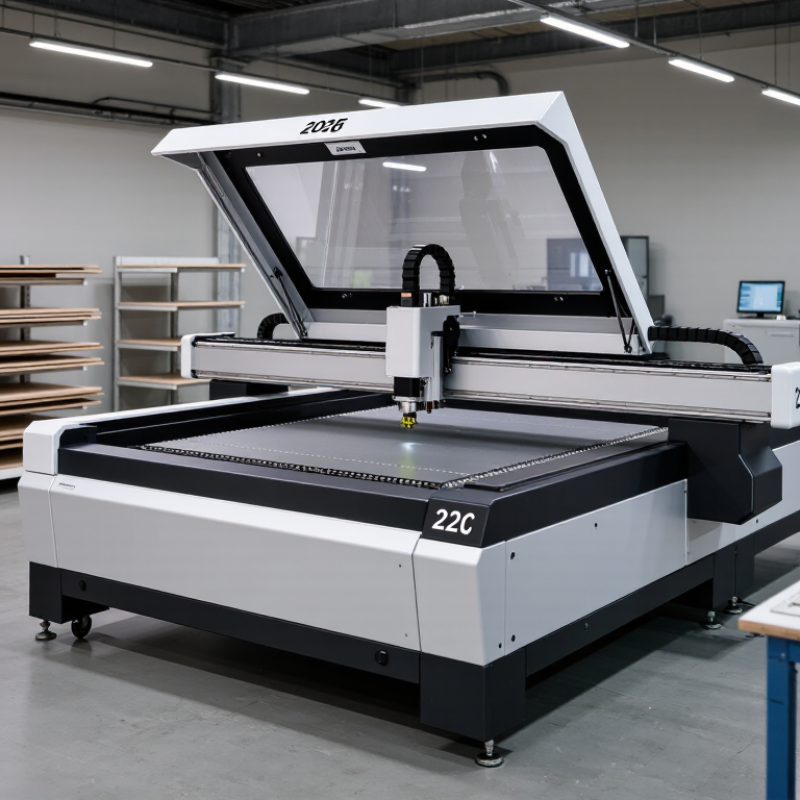
Best CO2 CNC Laser Cutter in 2026 for Global Buyers

What Defines a CO2 CNC Laser Cutter in 2026

What Defines a CO2 CNC Laser Cutter in 2026

A CO2 CNC laser cutter combines a gas-filled laser tube, guided optics, and computer-controlled motion. The tube produces an infrared beam, while mirrors direct it to a focused lens. CNC software converts a digital drawing into controlled movements and cutting settings. That sounds straightforward. In practice, stable alignment and consistent motion matter as much as advertised power.

For global buyers, a useful machine is defined by how reliably it handles real materials and daily workloads. Check the working area, bed design, tube rating, and supported file formats against your intended projects. A test cut in plywood or acrylic can reveal rough edges, uneven engraving, or excessive scorching. Ask how cooling, fume extraction, replacement optics, and technical support are handled in your region. These details affect uptime. I would also examine the control interface and documentation before comparing headline speed. Some specifications look impressive but say little about results across different material thicknesses. A small compromise in bed size may be acceptable; inconsistent focus is not. There is no perfect setup for every workshop, and buyer requirements can be easy to underestimate.

Best CO₂ CNC Laser Cutter in 2026 for Global Buyers — What Defines a CO₂ CNC Laser Cutter?

A CO₂ CNC laser cutter is defined by its gas laser source, which typically emits infrared light at about 10.6 μm. This wavelength is well suited to processing many non-metallic materials, such as wood, acrylic, paper, and textiles. The chart compares representative laser wavelengths; it does not rank machine cutting performance.

How to Compare Power, Work Area, Optics, and Control Systems

Choosing a CO2 CNC laser cutter in 2026 starts with your materials and workload, not the largest power rating. For thin acrylic or plywood, moderate power may produce cleaner edges with less heat damage. Thicker stock may need more power, slower passes, or both. Ask for sample cuts using your actual material and thickness. Real evidence matters.

The work area should fit your largest sheet, with room for clamps and airflow. A small bed can force repeated repositioning; an oversized machine may consume valuable floor space. Check usable travel, not only advertised table dimensions. Also confirm Z-axis clearance for fixtures or raised workpieces.

Optics shape the usable result. Lens focal length affects spot size and depth of focus, while clean, aligned mirrors help maintain beam delivery. Ask how optics are maintained and whether replacements are available in your region. The control system should handle your file formats, speed and power settings, job previews, and interrupted jobs reliably. Test it with your own design files. It may still feel awkward.

Request a complete demonstration, from file setup to finished cut. Include cooling, extraction, and electrical needs in your comparison; these costs are easy to underestimate, so check them carefully before ordering.

Which Materials and Applications Suit CO2 Laser Cutting

CO2 CNC laser cutters suit many nonmetallic materials, especially acrylic, plywood, MDF, paper, cardboard, and selected fabrics. A clean acrylic edge can look polished straight off the bed, while cut plywood may show a darker, slightly charred rim. That contrast matters for display signs, decorative panels, packaging mock-ups, and architectural models. Keep in mind that material thickness, adhesive, moisture, and surface coatings can change the result. A setting that works on one sheet may scorch another.

Leather, felt, and some textiles can be cut for labels, templates, or small production runs. Test a sample first. Check the material supplier’s safety data and the machine’s guidance before cutting unfamiliar plastics; PVC and other chlorine-containing materials should be avoided because their fumes can be hazardous and corrosive. Good extraction is essential, even with familiar materials. For repeatable work, record focus height, speed, and power, then inspect the back of the cut for residue or excessive heat marks. It is easy to overtrust a material chart. A short test often reveals what the chart misses.

Best CO2 CNC Laser Cutter in 2026 for Global Buyers - Which Materials and Applications Suit CO2 Laser Cutting

Material CO2 Laser Suitability Typical Applications Practical Notes for Buyers
Acrylic (PMMA) Excellent for cutting and engraving Signs, displays, light guides, decorative panels, product prototypes Cast acrylic generally produces a clear engraved appearance; cutting results depend on sheet thickness, power, focus, and airflow. Confirm the material is acrylic, not polycarbonate.
Plywood and other laser-suitable wood Good for cutting and engraving 模型 parts, signage, craft products, panels, packaging prototypes Adhesives, veneers, moisture, and wood species affect cut quality and smoke. Use known laser-suitable stock and effective extraction.
Solid wood Good for engraving; cutting depends on thickness and wood type Personalized gifts, decorative items, labels, small components Grain and resin content can cause uneven marks or charring. Test representative samples and keep the work area clear of combustible residue.
Paper and cardboard Excellent for cutting and engraving Packaging mock-ups, invitations, models, inserts, craft products These materials cut quickly but are combustible. Use suitable settings, active supervision, and reliable fire-safety procedures.
Natural textiles, including cotton and felt Good for cutting and engraving Apparel components, patches, soft goods, textile patterns Results vary with weave, thickness, dyes, and finishes. Verify that coatings and treatments are laser-safe before processing.
Leather Good for cutting and engraving when the material is laser-safe Accessories, labels, patches, decorative panels Prefer materials with a documented composition. Avoid unknown coatings or synthetic substitutes that may release hazardous fumes.
Rubber sheet designed for laser processing Good for engraving and cutting approved formulations Stamps, seals, labels, gaskets, craft products Rubber formulations vary widely. Check the supplier’s safety data and laser compatibility; do not assume every rubber compound is suitable.
Thin, laser-compatible fabric laminates Often suitable, subject to composition and construction Decorative components, textile labels, layered craft products Adhesives and backing layers may change cutting behavior and emissions. Test the complete laminate, not just its visible surface.
Glass Suitable for surface marking or engraving; not for conventional through-cutting Decorative drinkware, signs, awards, panels Surface results depend on glass type and process setup. Glass cutting generally requires a different method; thermal stress can cause cracking.
Anodized aluminum Can mark or remove the anodized surface; does not cut the metal sheet Control panels, labels, nameplates, identification plates A CO2 laser may affect the coating while leaving the base metal intact. Verify the intended contrast on the specific finish.
Polycarbonate Generally a poor choice for CO2 laser cutting Use an alternative cutting process selected for the sheet and application It can cut poorly, melt, discolor, or produce undesirable fumes. Consult the material supplier and safety documentation before processing.
PVC and chlorine-containing vinyl Not suitable for laser cutting or engraving No recommended CO2 laser application Laser processing can release hazardous, corrosive gases and damage equipment. Do not process PVC or unidentified vinyl.
Bare metals, including steel and aluminum Generally not suitable for direct cutting with a standard CO2 laser Use a metal-cutting process designed for the metal and thickness CO2 systems are commonly selected for non-metals. Reflective bare metals are especially challenging; machine capability depends on the laser source and system design.
Foam and plastic foam Material-specific; process only verified laser-safe types Packaging inserts, models, prototypes Some foams melt, ignite, or release hazardous emissions. Confirm the exact polymer and additives with the supplier before processing.

How Global Buyers Can Assess Safety, Compliance, and Support

For global buyers, a CO2 CNC laser cutter should be assessed as a complete work system, not just a machine with a stated wattage. Check for an enclosed cutting area, functioning interlocks, an emergency stop, and clear instructions for ventilation and fire precautions. Ask for electrical ratings and conformity documents relevant to your destination. Requirements differ by country, so have a qualified local professional verify the installation. A certificate alone is not the whole story.

Look closely at the operator manual. Are setup steps, maintenance intervals, and hazard warnings understandable to your team? Ask how the exhaust system handles smoke from your intended materials, and confirm which materials the supplier advises against cutting. Small details matter: a poorly routed extraction hose or a door switch that is hard to test can undermine an otherwise capable machine. Specs can reassure, but they cannot replace a site check.

Support deserves the same scrutiny as safety. Before ordering, ask how quickly technical staff respond, whether remote troubleshooting is available, and which replacement parts are stocked. Clarify warranty coverage, training, and who pays for service visits. Get answers in writing. This takes time. Be cautious of vague promises; even a polished demonstration may not reflect your workshop, language needs, or power supply. A gap in my own assessment would be assuming support is dependable without testing the response process.

How to Select a Machine for Budget, Shipping, and Long-Term Use

Buying a CO2 CNC laser cutter across borders means budgeting beyond the machine price. Ask for a written quote that separates crating, freight, insurance, port charges, duties, inland delivery, installation, and training. UNCTAD’s Review of Maritime Transport 2024 estimated seaborne trade grew 2.4% in 2023. That figure is not a freight-price forecast, but it shows why logistics deserve attention. Small details matter. Confirm crate dimensions, delivery access, and who handles damage claims before paying.

Compare complete configurations, not headline wattage. Request the tube’s rated life and replacement cost, chiller capacity, lens and mirror availability, exhaust requirements, and electrical specifications. The World Bank’s 2023 Logistics Performance Index covers 139 economies and evaluates customs, infrastructure, tracking, and timeliness. Treat it as a country-level planning signal, not a promise about one shipment. That distinction is easy to miss.

For long-term use, ask how quickly common spares ship and whether maintenance instructions and remote troubleshooting are available. Estimate cost per productive hour, including energy, consumables, downtime, and training. A lower-priced cutter may suit a light-use studio; a busy shop may value local service more. Real workloads are uneven. Leave room in the budget for delays, and measure the actual doorway before the machine arrives.

FAQS

What defines a CO2 CNC laser cutter?

It uses a gas-filled tube, mirrors, a focused lens, and computer-controlled movement. Alignment matters.

Which materials can it cut?

Common choices include acrylic, plywood, MDF, paper, cardboard, felt, and selected fabrics. Test unfamiliar sheets first.

What can a test cut reveal?

It can show rough edges, scorching, uneven engraving, and residue on the back. Small samples help.

Why can the same settings produce different results?

Thickness, moisture, adhesives, and coatings can change how a sheet cuts. Material charts are only a starting point.

What should buyers check before choosing a machine?

Compare the work area, bed design, tube rating, file formats, cooling, and extraction. Look beyond headline speed.

Which safety features should a machine have?

Check for an enclosed cutting area, working interlocks, an emergency stop, and clear ventilation guidance. Inspect them in person.

What documentation and support should buyers request?

Ask for destination-relevant electrical and conformity documents, understandable manuals, training details, warranty terms, and replacement-part availability. Get answers in writing.

How can buyers assess technical support?

Ask about response times and remote troubleshooting, then test the contact process before ordering. I might still overlook something.

Conclusion

Choosing the best CO2 CNC Laser Cutter in 2026 means looking beyond headline power and comparing the full system. Buyers should consider work area, optical components, motion accuracy, and control features in relation to the size, detail, and volume of their projects. Material compatibility is equally important: CO2 laser systems are commonly suited to processing materials such as wood, acrylic, paper, and certain fabrics, with results depending on machine configuration and material specifications.

For global buyers, a practical evaluation also includes enclosure design, ventilation, operating safeguards, documentation, and the availability of technical support. Compare the total budget, shipping arrangements, installation needs, and ongoing maintenance—not just the initial purchase price. By balancing these factors with expected workload and future requirements, buyers can select a machine that offers dependable performance and a sensible long-term fit.

Adrian

Adrian

Adrian is a professional marketing specialist dedicated to helping businesses understand products, markets, and customer needs through clear, practical, and insightful communication. With a strong understanding of the company’s product portfolio, industry applications, and service standards, he......