
Engineered for extreme material versatility, structural rigidity, and non-thermal precision. Directly serving fabricators across Jakarta, Surabaya, Medan, Batam, and Makassar.
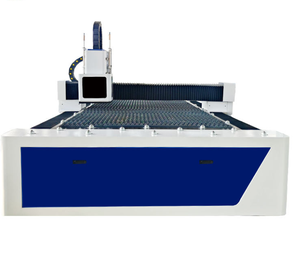
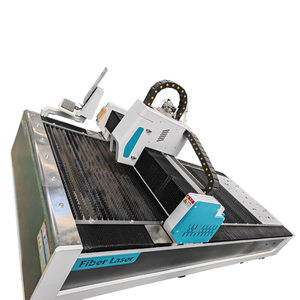
Understanding the engineering tradeoffs for Indonesian manufacturing plants operating under high tropical humidity and varied alloy requirements.
| Cutting Parameter | Ultra-High Pressure Abrasive Waterjet | Fiber Laser Cutting | CNC Plasma Cutting |
|---|---|---|---|
| Heat-Affected Zone (HAZ) | Zero HAZ (Cold Process) | Localized Thermal Zone | Broad Thermal Distortion Zone |
| Max Cutting Thickness (Steel/Alloy) | Up to 200 mm + | Typically 25 mm - 50 mm | Up to 50 mm |
| Material Range | Metals, Granite, Composites, Rubber, Glass | Primarily Metals & Select Polymers | Conductive Metals Only |
| Edge Finish & Dross | Satin Smooth (No post-processing needed) | Clean on thin gauges; micro-dross on thick | Requires grinding & edge deburring |
| Material Structural Integrity | 100% Retained (No micro-cracking) | Altered grain structure near edge | Significant metallurgical change |
| Power Grid Sensitivity | Stable load; resilient to minor voltage fluctuations | Requires stable high-power source | High electrical noise & draw spikes |
As South East Asia’s largest economy, Indonesia is undergoing an unprecedented industrial expansion under national mandates like Making Indonesia 4.0. From the heavy nickel smelting corridors of Morowali and Weda Bay to the maritime maintenance hubs of Batam and Surabaya, manufacturing facilities require cutting technologies that eliminate material scrap, preserve alloy integrity, and operate reliably in tropical environments.
Traditional thermal cutting methods—such as oxygen-fuel, plasma, and high-wattage fiber laser cutting—introduce intense localized heat. In metals like titanium, nickel-chromium alloys, and marine-grade stainless steel (SUS316L), thermal distortion leads to structural warping, micro-cracks, and altered metallurgical grain structures. Ultra-High Pressure Abrasive Waterjet (AWJ) cutting overcomes these limitations completely by operating as a mechanical micro-erosion process.
Our waterjet cutting platforms are built around heavy-gauge, stress-relieved welded gantry frames, high-precision Yaskawa servo drives, and continuous-duty intensifier pumps engineered to generate pressures exceeding 60,000 PSI (4,137 bar).
Because the supersonic stream of water and garnet abrasive absorbs generated friction, workpieces remain at near-ambient temperatures. This is vital for aerospace components, marine shims, and pre-heat-treated machinery parts where thermal hardening is strictly prohibited.
Unlike lasers, which reflect off copper and brass, or plasma, which only works on conductive metals, waterjets cut virtually any industrial material: bulletproof armor plate, carbon fiber composites, ceramic tiles, rubber gaskets, and laminated safety glass.
Standard 3-axis waterjets naturally produce a slight V-shaped taper on thick materials. Our advanced 5-axis dynamic cutting heads automatically articulate to counter taper, delivering perfectly perpendicular edges and precision weld bevels up to ±45 degrees.
Indonesian industrial buyers face distinct operational requirements based on location and sector focus. Our waterjet equipment is engineered to address these localized demands directly:
Over the past 36 months, industrial buying habits in Jakarta, Surabaya, and Medan have shifted dramatically towards sustainable, low-waste manufacturing technologies. Key trends shaping waterjet machine adoption include:
Selecting a waterjet machinery partner requires absolute trust in technical competence, component sourcing, and post-installation support. With over three decades of manufacturing excellence, our machinery incorporates international standard components: Yaskawa servo drives from Japan, Cypcut/NCStudio CNC controllers, premium US/European intensifier pump technology, and heavy-duty casting beds that undergo stress-relieving heat treatments prior to precision milling.
For our customers across Indonesia, we provide comprehensive technical onboarding: factory acceptance testing (FAT), sea-freight export packaging, customs clearance assistance (LNSW/Beacukai compliance), on-site installation by fluent technical engineers, and guaranteed spare-parts availability dispatched from regional service hubs.
Expert technical insights addressing real-world operational, electrical, and logistical questions raised by local factory managers.
Speak directly with our senior CNC application engineers. We will analyze your drawing files, evaluate material specifications, and provide a comprehensive return-on-investment (ROI) analysis tailored to your manufacturing plant.
Contact Us