
Optimized for South Korea's high-tech manufacturing hubs in Gyeonggi-do, Incheon, Ulsan, and Busan. Designed for dual-frequency 60Hz grids, precise temperature regulation, and heavy continuous duty cycle operation.
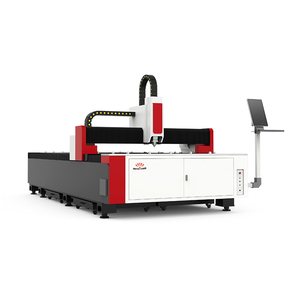
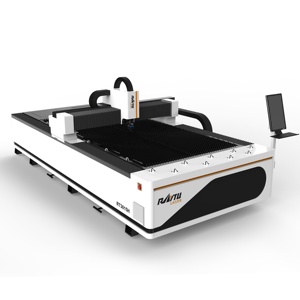
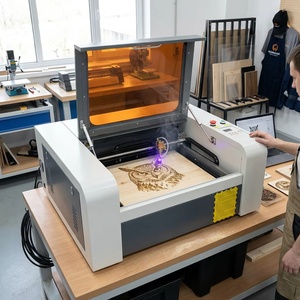
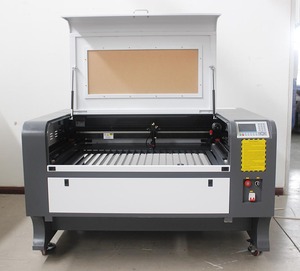
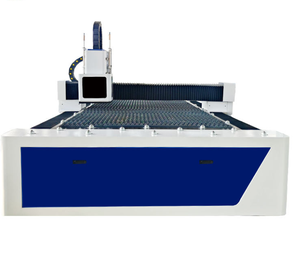
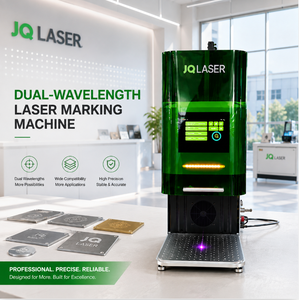
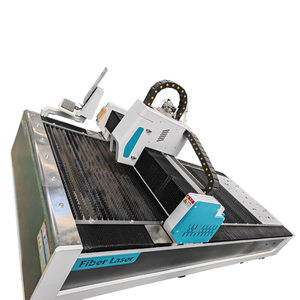
In South Korea’s advanced manufacturing ecosystem—spanning the K-Semiconductor Belt in Yongin and Pyeongtaek, high-power fiber laser cutting facilities across Gyeonggi-do, and EV battery gigafactories in Cheongju—thermal stability is direct currency. Precision laser machining, semiconductor plasma etching, high-frequency CNC milling, and optical fabrication operate under extreme thermal flux. An unmitigated temperature drift of even ±1.0°C leads to laser wavelength shifting, severe beam quality degradation (M² factor deterioration), thermal lens distortion, micro-cracking in sensitive substrates, and catastrophic spindle thermal expansion.
As a leading international water chiller supplier and exporter specializing in the Korean industrial landscape, our engineering framework integrates closed-loop refrigeration architecture, advanced PID inverter control algorithms, and dual-circuit thermal regulation designed specifically to meet South Korea’s strict electrical safety standards (KEC compliance) and RE100 zero-carbon targets.
High-power fiber lasers (ranging from 6kW up to 40kW+) convert electrical energy into laser radiation with a wall-plug efficiency of approximately 30–35%. The remaining 65–70% of input power is converted directly into waste heat. If this thermal energy is not removed immediately with strict thermal delta control, the laser diode banks suffer rapid degradation and QBH cutting head optics experience thermal lensing—causing focal shift during deep plate cutting of carbon and stainless steel.
Configured with distinct water loops: Low-temp circuit specifically targeted at the fiber laser resonator, and High-temp circuit targeted at the QBH cutting optics to eliminate internal dew condensation in humid Korean summers.
Variable Frequency Drive (VFD) compressors dynamically scale motor speed based on real-time heat load. Reduces energy consumption by up to 35% under partial load conditions, directly backing Korean corporate RE100 initiatives.
Custom microprocessor controllers run proprietary PID fuzzy-logic control algorithms to regulate fluid discharge within an ultra-tight band of ±0.1°C, preserving laser spot quality and preventing thermal stress on crystalline optics.
South Korea’s industrial geography features concentrated manufacturing clusters, each demanding tailored thermal engineering profiles. Standard off-the-shelf chillers often fail when deployed in specialized domestic production lines due to inadequate pump pressure headroom, electrical frequency discrepancies, or poor ambient heat dissipation.
The heavy metal fabrication facilities in Gyeonggi-do operate 10KW to 30KW fiber lasers cutting structural steel, stainless plates, and aluminum alloys 24 hours a day. The coastal industrial climate brings high summer humidity, which creates severe condensation risks inside optical cabinets. Our exported water chillers utilize intelligent dew-point tracking software: the controller reads ambient relative humidity and ambient dry-bulb temperature, automatically elevating the optic water temperature circuit just above dew-point to prevent moisture accumulation on mirror lenses while maintaining aggressive cooling on the main laser source.
Wafer fabrication cleanrooms demand zero-vibration footprint and ultra-clean fluid contact lines. Chillers exported for Korean semiconductor supply chain vendors feature 316L stainless steel or titanium brazed plate heat exchangers, deionized (DI) water loops with conductivity monitoring sensors (0.1–1.0 μS/cm threshold control), and magnetic-drive seal-less pumps to ensure zero metallic contamination or micro-particle shedding into process fluid lines.
High-speed beam-steered laser welding of nickel-plated copper tabs and aluminum battery casings requires rapid dynamic heat rejection. During rapid pulsing cycles, heat spikes are sharp and instantaneous. Our chillers employ integrated buffer tanks (up to 200 liters) and dual pulse-width electronic expansion valves (EEV) that pre-calculate thermal surges, preventing high-pressure refrigerant trips and maintaining smooth production line throughput without un-scheduled thermal halts.
In precision die, mold, and aerospace part machining, high-speed motor spindles running at 24,000 to 60,000 RPM generate localized friction heat along spindle bearings. Thermal growth along the Z-axis leads to dimensional errors in finished molds. Our spindle water chiller systems supply continuous oil/water thermal stabilization, locking spindle core temperatures to within ±0.2°C of room temperature to preserve sub-micron machining tolerances.
Below is a detailed technical matrix comparing our specialized water chiller exporter models built for Korean industry requirements:
| Chiller Model Series | Cooling Capacity Range | Temp Control Accuracy | Pump Flow / Pressure | Voltage & Frequency (Korea) | Refrigerant Type | Primary Industrial Application |
|---|---|---|---|---|---|---|
| K-FL Ultra Series | 12 kW – 120 kW | ±0.1°C Dual Circuit | 60–250 L/min @ 4.5 Bar | 3Φ 380V / 440V 60Hz | R-32 / R-454B (Low GWP) | High Power Fiber Lasers (6kW–40kW+) |
| K-Compact Laser | 3.0 kW – 10.5 kW | ±0.3°C PID Digital | 30–75 L/min @ 3.2 Bar | 1Φ 220V / 3Φ 380V 60Hz | R-410A Eco Fluid | 3kW–6kW Metal Fiber Laser Cutters |
| K-CO2 Precision | 0.8 kW – 2.5 kW | ±0.3°C Digital Loop | 12–25 L/min @ 1.8 Bar | 1Φ 220V 60Hz | R-134a / R-513A | CO2 Laser Engravers & Acrylic Cutters |
| K-Spindle Hydro | 2.0 kW – 15 kW | ±0.2°C Ambient Tracking | 25–110 L/min @ 4.0 Bar | 3Φ 380V 60Hz (KEC standard) | R-410A / R-407C | High-Speed CNC Milling Spindles & Molds |
| K-Semi Pure DI | 5.0 kW – 45 kW | ±0.05°C Ultra-Precision | 40–180 L/min (DI Loop) | 3Φ 380V 60Hz | R-32 Zero ODP | Semiconductor Etching & Cleanroom Fabs |
Exporting industrial machinery to South Korea requires strict adherence to evolving national technical regulations, energy performance laws, and seasonal climate conditions. Importers and OEM factories cannot afford compliance bottlenecks at Busan port or KEC inspection failures.
South Korea implemented updated KEC regulations governing industrial control panels, grounding systems, and short-circuit protection ratings. All exported chillers provided by our facility are configured with 60Hz native power transformers, Schneider/Siemens electrical switchgear compliant with KEC guidelines, over-current circuit breakers, and integrated phase-sequence protection. This eliminates motor rotation reversal during field wiring setup in Korean industrial parks.
Refrigeration systems operating in South Korea with compressor motor output exceeding specific threshold limits fall under the jurisdiction of the Korea Gas Safety Corporation (KGS). Our heavy industrial chillers are pre-engineered with KGS pressure-vessel certifications, dual safety pressure relief valves, and burst-disc assemblies, ensuring seamless customs clearance and safety licensing on-site.
The Korean Peninsula experiences extreme weather variations: hot, sub-tropical humid monsoon summers (reaching 38°C to 40°C ambient with 90%+ relative humidity) and bitterly freezing winters (dropping to -15°C in Northern Gyeonggi-do and Gangwon-do). Our water chillers incorporate dual seasonal protection:
Leading Korean conglomerates (including Samsung Electronics, SK Hynix, Hyundai Motors, and LG Energy Solution) have committed to RE100 renewable energy standards. Equipment suppliers must supply machinery with lower carbon footprints. Our technical engineering team leads the industry by replacing legacy high-GWP refrigerants (like R-404A) with eco-friendly alternatives including R-32, R-454B, and R-513A—delivering up to 68% reduction in direct global warming potential while boosting COP (Coefficient of Performance) ratings.
With over 35 years of dedicated industrial manufacturing and thermal engineering experience, our organization provides end-to-end supply chain reliability, customized engineering design, and direct technical support. We do not just ship equipment; we build long-term manufacturing partnerships based on proven technical uptime.
Every water chiller undergoes a 48-hour continuous full-load thermodynamic burn-in test before crate packaging. We test electrical draw, vibration limits, pressure drops, and thermal stability under simulated peak ambient conditions.
Standardized export wooden crating (ISPM 15 fumigated) with fast sea freight lanes direct to Busan Port and Incheon Port. Urgent replacement modules and spare parts ship via express air courier within 24 hours.
Direct access to application engineers—no call centers or AI chatbots. We assist Korean plant engineers with sizing calculations, pipe diameter selection, and remote Modbus system integration.
Key insights compiled by our application engineers addressing power standards, customs compliance, maintenance, and thermal management best practices for Korean factory operations.
South Korea operates predominantly on a 60Hz electrical grid frequency. Small desktop chillers operate on single-phase 220V 60Hz. Industrial fiber laser chillers and large central water systems are built with 3-phase 380V 60Hz or 440V 60Hz power configurations. We ensure all compressor motors, water pumps, and cooling fan assemblies match 60Hz native operation, preventing motor overheating and flow rate drops associated with running 50Hz equipment on 60Hz power grids.
During the summer monsoon season in regions like Gyeonggi-do and Incheon, relative humidity inside factory floor space can exceed 85%. Standard single-circuit chillers cooling optics at 18°C will cause ambient water moisture to condense directly on laser lenses, resulting in optical damage. Our chillers utilize dual-circuit refrigeration with intelligent ambient-tracking dew-point control logic. The optics loop automatically adjusts its setpoint (e.g., maintaining 28°C to 30°C) to stay above dew-point while the main laser resonator remains chilled at 20°C.
Every shipment is backed by a full export documentation pack: Commercial Invoice, Packing List, Original Certificate of Origin (under Korea-FTA agreements where applicable to lower import duties), Bill of Lading, CE Compliance Certificates, KEC Electrical Safety Test Reports, and Fumigation Certificates (ISPM 15 standard) for heat-treated wooden crates.
We strongly advise using pure distilled water or deionized (DI) water with controlled electrical conductivity (for fiber lasers, maintained between 0.1 to 1.0 μS/cm). Never use untreated tap water from local municipal supplies, as minerals will precipitate onto stainless steel evaporator plates and laser cooling channels, causing thermal insulation scale build-up and pump seal degradation. For winter freeze protection in unheated workshops, a specialized industrial ethylene glycol or propylene glycol mixture (20% to 30% concentration) must be utilized.
Yes. Our industrial water chillers are equipped with standardized RS-485 communication ports supporting the Modbus RTU protocol. The chiller transmits real-time operational status, actual water temperature, flow rates, and active error codes directly to the main machine CNC interface. If liquid flow drops below safe operating limits, an instant hardware interlock signal shuts down the laser emission or spindle drive in milliseconds, preventing catastrophic hardware damage.
We provide a comprehensive 24-month manufacturer warranty on core components including compressors, heat exchangers, and digital control boards. Replacement parts, expansion valves, and spare pumps are stocked in key logistics hubs and dispatched via express air courier for delivery to Korean factories within 24 to 48 hours to minimize production downtime.
Speak directly with our senior application engineers to specify the exact water chiller capacity, pump pressure, and power configuration for your processing machinery in South Korea.