
1. Executive Technical Summary & Kuwait Industrial Landscape
The manufacturing and architectural fabrication sectors in the State of Kuwait are undergoing a structural transformation driven by Kuwait Vision 2035 (New Kuwait). Large-scale infrastructure mega-projects—including the South Al-Mutlaa residential megacity, the Silk City (Madinat Al-Hareer) development, and expansive logistics hubs in Shuwaikh and Shuaiba—have generated an unprecedented demand for advanced structural insulation, pre-insulated HVAC ducting, and lightweight architectural cladding. Central to this industrial expansion is the deployment of heavy-duty, high-precision Foam Cutting CNC Routers capable of machining Expanded Polystyrene (EPS), Extruded Polystyrene (XPS), Polyisocyanurate (PIR), Rigid Polyurethane (PU), and Cross-linked Polyethylene (XLPE) foams.
Operating a production facility within GCC geographic zones presents unique mechanical and operational challenges. Extreme summer ambient temperatures frequently exceeding 50°C (122°F), combined with localized fine sand dust (Shamal winds), demand industrial CNC routing platforms built with stress-relieved steel frames, fully sealed linear guide systems, and heavy-duty liquid-cooled high-frequency spindles. Lightweight desktop CNC units or unreinforced aluminum frame machines consistently experience thermal expansion drift, spindle overheating, and premature rack-and-pinion wear under Kuwait’s severe environmental stressors.
E-E-A-T Information Gain Benchmark: Selecting a foam cutting CNC router for the Kuwait market requires evaluating thermal dissipation efficiency, Z-axis stroke clearance (ranging from 300mm to 1000mm for deep 3D block carving), vacuum table hold-down pressure under high dust conditions, and compatibility with oscillating tangential knife modules for soft foam seal production.
2. Technical Evaluation Matrix: CNC Router Machining Architecture for Foam Substrates
Engineered foam processing differs fundamentally from traditional hard-timber or solid sheet metal cutting. The low density, high elastic memory, and propensity for friction melting in polymers such as XPS and EPS necessitate specialized motion control algorithms, chip-evacuation hoods, and multi-head tool configurations. Below is an engineering benchmark outlining essential machine configurations for optimal operational yield in GCC industrial applications:
| Foam Material Type | Primary Industrial Use in Kuwait | Recommended CNC Tooling | Optimal Spindle Specs | Critical Machine Feature |
|---|---|---|---|---|
| EPS (Expanded Polystyrene) | EIFS Wall Insulation, Architectural Molding, GFRC Molds | Long-Flute Carbide Spiral / Hot Wire CNC Attachments | 9.0 kW Water-Cooled / 18,000 RPM | Extended Z-Axis (500mm-1000mm clearance) |
| XPS (Extruded Polystyrene) | Foundation Insulation, Roof Thermal Isolation (Kuwait Code) | Single Flute Upcut Carbide / Compression Bits | 6.0 kW to 9.0 kW Liquid-Cooled / Variable RPM | High-Velocity Vacuum Table Zone System |
| PIR / Polyurethane | HVAC Ducting Fabrication, Cold Storage Panel Joints | V-Grooving Cutters / Double Edge Straight Bits | 6.0 kW Air/Liquid Chilled Spindle | Integrated Dust Extraction Enclosure |
| EVA & PE Foam | Marine Decking, Military Enclosure Gaskets, Tool Control | High-Frequency Oscillating Tangential Knife | Servo-Driven Oscillating Motor (12,000 rpm stroke) | Multi-Zone Vacuum Matrix with Pneumatic Hold-Down |
As demonstrated in technical trials, utilizing an incorrect spindle cooling setup in high-ambient environments leads to thermal expansion across the Z-axis ball screw, causing depth variation up to ±1.5mm across a standard 2440mm x 1220mm board. Professional-grade CNC routers supplied to Kuwait must incorporate industrial water chillers (CW-5200 series or higher) combined with Yaskawa or Delta AC Servo drives to maintain consistent precision under 24/7 continuous duty cycles.
3. Localized Application Scenarios Across Kuwait’s Key Sectors
The practical utility of industrial CNC routing systems in Kuwait spans several high-growth commercial sectors. Below are localized engineering applications where high-efficiency foam CNC machinery delivers measurable return on investment (ROI):
EIFS Thermal Building Insulation
Under the stringent Energy Efficiency Building Code enforced by the Kuwait Ministry of Electricity and Water (MEW), exterior insulation finishing systems (EIFS) are mandatory for reducing air conditioning thermal loads. CNC routers perform rapid profiling of high-density XPS panels, creating inter-locking tongue-and-groove joints that eliminate thermal bridging in residential complexes across Sabah Al-Ahmad and Jahra.
Pre-Insulated HVAC PIR Ductwork
Commercial skyscrapers in Kuwait City rely heavily on pre-insulated Polyisocyanurate (PIR) ducting. Equipped with dual-head configurations (spindle + oscillating knife), CNC routers automatically cut 45° miter joints, elbow segments, and reducer fittings in a single continuous nesting pass, eliminating manual layout errors and reducing duct shop labor requirements by up to 75%.
GFRC & Decorative Concrete Molds
Kuwaiti architectural aesthetics heavily feature intricate Islamic geometric patterns, dome forms, and decorative cornices. Fabricators utilize 4-axis 3D CNC foam routers to carve oversized EPS positive molds. These lightweight EPS patterns are subsequently coated with release agents for casting Glass Fiber Reinforced Concrete (GFRC) facade panels for mosques, villas, and government buildings.
Oil & Gas Pipeline Insulation Casing
In the oil field sector centered around Mina Al-Ahmadi, sub-sea and surface crude pipelines require heavy polyurethane insulation casings to withstand environmental degradation. Custom 4th-axis rotary CNC routers profile cylindrical foam half-shells designed to fit tight pipe diameters, ensuring critical process thermal stabilization during transport.
Military & Industrial Custom Packaging
Protecting sensitive defense equipment, optical hardware, and industrial instrumentation during desert transport requires custom insert trays milled from dense PE, EVA, or polyurethane foam blocks. CNC routers equipped with automatic tool changers (ATC) rapidly process varied cavity depths to snugly house delicate assets.
4. Kuwait Market Procurement Trends & Macroeconomic Growth Drivers (2025–2035)
Data from regional industrial development boards confirms a steady 8.4% compound annual growth rate (CAGR) in Kuwait's advanced polymer fabrication sector. Three primary macroeconomic trends dictate how buyers evaluate CNC machinery procurement:
A. Labor Market Optimization & Skill Scarcity: Recent regulatory shifts within the GCC favor capital-intensive automated manufacturing over manual labor dependency. A single automated 5' x 10' (1530 x 3050mm) CNC router equipped with automatic material loading/unloading tables outperforms a team of eight manual pattern cutters, while reducing raw foam offcut waste by 22% through intelligent nesting software (such as Alphacam, Vectric Aspire, or Cabinet Vision).
B. Strict Building Envelope Regulations: As the Kuwait Public Authority for Housing Welfare (PAHW) accelerates housing deliveries in South Al-Mutlaa (over 30,000 residential units), contractors face strict energy rating benchmarks. This has led directly to an influx of demand for CNC machines capable of processing high-density rigid polyurethane and XPS boards at high feed rates (exceeding 25,000 mm/min vector speeds).
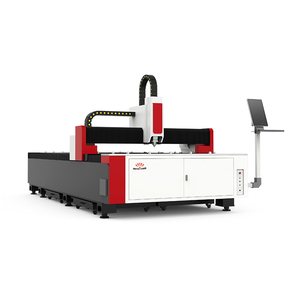
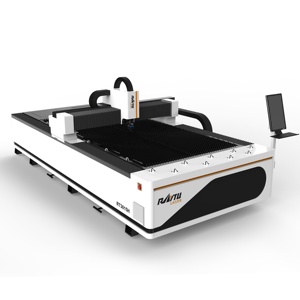
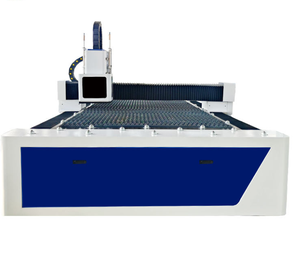
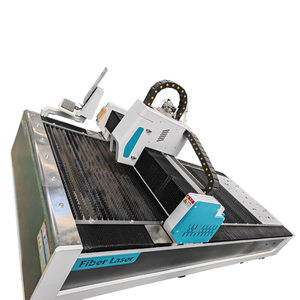
C. Hybrid Machining Capabilities (Fiber Laser + CNC Spindle Integration): Modern industrial facilities in Subhan and Rai industrial areas are increasingly upgrading from single-purpose tools to multi-process workstations. Integrating high-power fiber laser cutting modules alongside traditional heavy-duty routing spindles allows factories to cut structural aluminum trim and protective metal cladding on the same machine frame used for foam core shaping.
5. Why Leading Kuwaiti Manufacturers Partner With Our Export Platform
Building on over 40 years of continuous manufacturing heritage and more than 15,000 successful global machine deployments, our enterprise export division delivers tailored CNC solutions designed for the rigors of the Middle East market. Unlike generic equipment resellers, we maintain control over frame stress-relieving, precision machining, and drive tuning.
Heavy Tubular Steel Beds
Our machine bases are fabricated from heavy-gauge structural steel tubing, stress-relieved via industrial heat-treatment cycles and precision planar-milled on 5-axis machining centers. This eliminates structural twist and frame warping caused by ambient temperature swings in Kuwait workshops.
Full Tropicalized Electronics
Electrical cabinets feature dual-circuit industrial air conditioners that keep internal cabinet temperatures below 30°C, isolating Yaskawa servo drives, CypCut/Syntec controllers, and power supplies from dust contamination and thermal shutdown.
Direct Logistics to Kuwait Ports
We provide full CIF shipping services to Shuwaikh Port and Shuaiba Port, complete with certified Certificate of Origin (COO), SASO/GCC compliance documentation, and custom timber crate packaging designed to protect machine gantries during sea transit.
6. Kuwait Procurement FAQ: Frequently Asked Technical Questions
Here are answers to the most common technical and logistics questions raised by procurement managers and facility engineers across Kuwait:
What electrical standard is required for running high-capacity CNC routers in Kuwait facilities?
In Kuwait, industrial power supply is standard 3-Phase 415V at 50Hz. All export CNC router systems shipped to Kuwait are built with matching 415V 3-Phase transformers and heavy-duty Schneider/Siemens electrical protection modules to prevent phase imbalance failures.
How do liquid-cooled spindles compare to air-cooled spindles in Kuwait's summer heat?
Air-cooled spindles rely on ambient air to dissipate internal motor heat. When workshop temperatures exceed 40°C, air-cooled spindles struggle to maintain rated duty cycles and risk insulation burnout. We strongly recommend closed-loop liquid-cooled spindles (utilizing a refrigerated water chiller) for uninterrupted operation in GCC regions.
Can a single CNC machine cut both soft open-cell foam and rigid aluminum metal sheets?
Yes. By configuring a dual-head workstation—combining an oscillating tangential knife for soft flexible foams (PE, EVA) and a high-torque 9.0kW milling spindle with a mist-coolant sprayer for rigid materials (metal composite panels, aluminum sheet, wood)—fabricators can handle diverse jobs without purchasing separate machinery.
What is the typical shipping lead time from manufacture to delivery at Shuwaikh Port?
Standard machine manufacturing and factory acceptance testing (FAT) takes approximately 15 to 20 business days. Ocean freight transit from major manufacturing ports to Shuwaikh or Shuaiba Port in Kuwait typically ranges between 22 and 28 days, depending on shipping lines.
What software file formats are compatible with your CNC router controllers?
Our Syntec, CypCut, and NC-Studio controllers accept standard G-code formats (ISO standards). They integrate seamlessly with major design and nesting software platforms including ArtCAM, Vectric Aspire, Alphacam, SolidWorks, Fusion 360, and AutoCAD.
Empower Your Kuwait Production Line Today
Contact our senior engineering team to request factory-direct quote packages, tailored Z-axis customizations, and complete technical specifications for Kuwait industrial delivery.