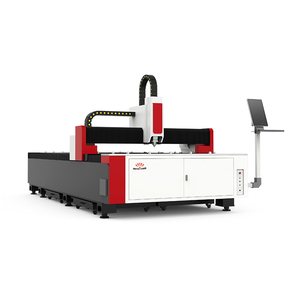
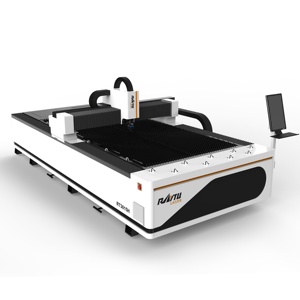
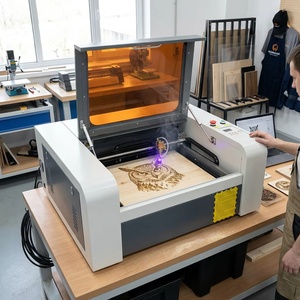
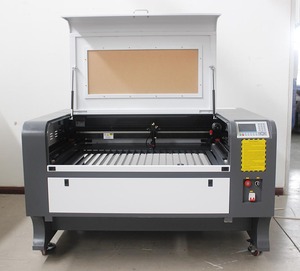
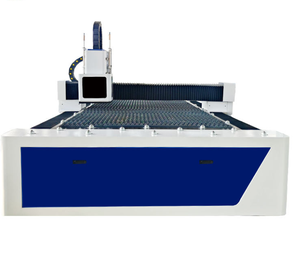
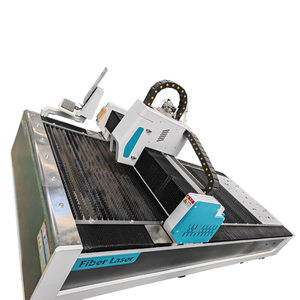
Precision solid carbide end mills paired with industrial laser and CNC cutting platforms serving machine shops across Metro Manila, Laguna, Cavite, and Batangas.
In the high-precision subtractive manufacturing sectors across the Greater Manila Area, the selection of cutting tool substrate chemistry, cutter geometry, and PVD/CVD nano-coatings directly dictates cycle time efficiency, unit economics, and surface finish roughness ($Ra$). As manufacturing facilities in Manila, Cavite (EPZA), Laguna (Light Industry and Science Park), and Batangas scale up production of mold dies, automotive components, semiconductor fixtures, and structural stainless components, moving from standard High-Speed Steel (HSS) to ultra-fine grain solid carbide end mills is no longer optional—it is a baseline requirement for market competitiveness.
End mills engineered for the Philippine industrial environment must withstand complex mechanical shear stresses and severe thermal shocks. Machining localized workpiece materials such as SUS304, SUS316, NAK80, SKD61, Titanium Grade 5, and 6061-T6 Aluminum requires advanced tool geometries that effectively balance core strength with chip evacuation dynamics.
Utilizing 0.2µm to 0.4µm ultra-fine micrograin tungsten carbide (WC-Co matrix with 10%-12% Cobalt) providing exceptional transverse rupture strength (TRS > 4,000 MPa) and extreme hardness up to HRC 68.
Multi-layered AlTiN, TiSiN, and nACo nano-composite coatings offering thermal thresholds exceeding 1,100°C, dramatically reducing crater wear and built-up edge (BUE) during dry high-speed milling.
Unequal flute spacing combined with variable helix angles (35°/38°) disrupts regenerative chatter frequency, allowing deeper axial depths of cut ($a_p$) and superior wall straightness.
The core matrix of a high-performance end mill relies on sub-micron Tungsten Carbide (WC) grains bound together by Cobalt (Co). In high-speed milling (HSM) and trochoidal toolpath strategies, the mechanical shock delivered during interrupted cuts can cause micro-chipping along the cutting edge. By specifying a 0.2µm grain diameter with optimized cobalt distribution, our factories ensure that Manila machine shops achieve the perfect equilibrium: ultra-high abrasive wear resistance combined with sufficient ductility to handle dynamic mechanical shock loads on heavy 3-axis and 5-axis CNC machining centers.
The humid ambient working environments typical of tropical manufacturing plants in Metro Manila can accelerate chemical oxidation and thermal corrosion at the tool-workpiece interface. Specialized physical vapor deposition (PVD) coatings create an impervious ceramic barrier:
The manufacturing fabric of the National Capital Region (NCR) and neighboring provinces (CALABARZON) is highly diverse. End mill selection must align precisely with the localized material mix, machine rigidity, and part geometries prevalent in these key economic sectors.
In the mold-making hubs of Santa Rosa, Biñan, and General Trias, toolrooms produce plastic injection molds and stamping dies requiring long reach and high dimensional accuracy. Using 4-Flute Micro Ball-Nose End Mills (R0.1 to R3.0) coated with TiSiN allows deep cavity machining of pre-hardened steels (NAK80/P20) without thermal deformation. The tight radius tolerance (±0.005mm) reduces manual bench polishing time by up to 60%.
Electronic manufacturing services (EMS) in Metro Manila and Batangas require ultra-precise aluminum and engineering plastic (PEEK, POM/Delrin) carrier jigs. Single-Flute and 3-Flute Mirror Polish Carbide End Mills with 45° helix angles prevent plastic burr formation and melt-back while maintaining smooth surface finishes ($Ra < 0.4\mu m$) under spindle speeds exceeding 20,000 RPM.
Heavy engineering workshops in Valenzuela, Quezon City, and areas surrounding Manila South Harbor regularly machine structural carbon steel plates, stainless steel flanges, and marine components. Utilizing 4-Flute Roughing End Mills with Chip Breaker Profiles significantly reduces cutting torque, allowing smaller CNC routers and lower-rigidity vertical milling machines to achieve high Material Removal Rates (MRR) without chatter.
To quantify the economic ROI of migrating to factory-direct engineered solid carbide end mills, our engineering team conducted empirical milling trials cutting SUS304 stainless steel under standard Manila workshop operating parameters.
| Performance Metric | Standard HSS End Mill | Generic Imported Carbide | Engineered Nano-Coated Carbide |
|---|---|---|---|
| Cutting Speed ($V_c$) | 25 - 35 m/min | 70 - 90 m/min | 150 - 220 m/min |
| Feed per Tooth ($f_z$) | 0.02 mm/z | 0.05 mm/z | 0.08 - 0.12 mm/z |
| Max Workpiece Hardness | HRC 28 | HRC 45 | HRC 68 |
| Thermal Resistance Threshold | 350°C | 600°C | 1,100°C (TiSiN/nACo) |
| Tool Life Expectancy (Mins of Cut) | 45 mins | 120 mins | 420+ mins |
| Surface Finish ($Ra$) | 1.6 - 3.2 µm | 0.8 - 1.2 µm | < 0.2 µm (Mirror Finish) |
*Data compiled from real-world testing on Haas VF-2 and Fanuc RoboDrill CNC setups using water-miscible coolant at 10% concentration.
The manufacturing sector in the Philippines is undergoing a digital and operational transformation. Procurement officers and shop floor managers are moving away from piecemeal local distributor sourcing toward direct factory partnerships that guarantee supply chain continuity, technical support, and batch-to-batch repeatability.
Modern CAD/CAM software (Mastercam, Fusion 360, SolidCAM) is now widespread across Manila workshops. Dynamic milling strategies rely on small radial engagement ($a_e$) and deep axial cuts ($a_p$) coupled with extremely high feed rates. To support this technique, end mills must possess continuous back-taper relief and reinforced core diameters to prevent tool snap under high axial feed rates.
Driven by strict DENR environmental regulations and rising waste oil disposal costs in NCR, progressive factories are transitioning to dry milling or MQL air-mist cooling. This shift requires cutting tools with self-lubricating, high-thermal-stability coatings like nACo and DLC that maintain slick surfaces even without flood coolant.
Standard off-the-shelf end mills often fail to solve complex component chamfering, undercut profiling, or combined drill-mill operations. Factory-direct suppliers capable of grinding custom multi-step carbide tools on 5-axis CNC grinding centers (Anca, Rollomatic) within 7 to 10 days are giving Manila contract manufacturers a strong turnaround speed advantage.
Key technical insights compiled from site visits and consultation inquiries from machine shop managers across Metro Manila.
Standard end mill stock items ship within 24 to 48 hours to Manila Port or NAIA Air Freight Hub, arriving at your doorstep in Cavite, Laguna, or Metro Manila within 3 to 5 business days via express courier. Custom step-tools take approximately 7-10 calendar days from drawing approval to delivery.
We recommend AlTiN or TiSiN nano-coated 4-flute end mills with unequal index flutes. AlTiN forms a passivating aluminum oxide layer during machining that insulates the tool carbide core from heat, while preventing chemical reaction with the nickel content in SUS304.
Premature chipping is usually caused by excessive radial chatter or selecting a carbide substrate with low transverse rupture strength (TRS). Ensure your tool supplier uses a 0.2µm micrograin substrate with at least 10% Cobalt, and select a tool with variable helix geometry to suppress harmonic vibrations.
Yes. Our AlTiN and TiSiN coated carbide end mills excel under both flood coolant and dry/MQL air-blow conditions. In fact, when milling hardened steels (>HRC 50), dry air-blow with high-thermal coatings often yields longer tool life by eliminating micro-thermal cracking caused by coolant splashing.
Factory-direct sourcing provides 30% to 50% cost savings by eliminating middleman markups, guarantees 100% genuine micrograin carbide substrates, offers batch-to-batch grinding consistency, and provides direct access to factory tool design engineers for custom geometry solutions.
For high-spindle speed routers (18,000 - 24,000 RPM), chip load per tooth ($f_z$) must be carefully calculated ($Feed = RPM \times Flutes \times f_z$). Using single-flute or two-flute polished carbide routers avoids heat buildup and chip re-cutting in soft materials like aluminum, acrylic, and wood composites.
As a premier cutting tool manufacturer and industrial CNC solutions provider, we combine advanced German and Swiss grinding technology with ultra-pure micrograin carbide rods imported from Europe. Our direct service model for Manila and Luzon guarantees technical precision, rapid quotes, and complete production reliability.
Every end mill undergoes 100% optical inspection on Zoller Genius 3 measuring machines to guarantee outer diameter, rake angle, and radius tolerances within ±0.003mm.
Streamlined export clearance and daily air freight consolidation ensures your shop floor never stalls due to missing tooling or cutter wearouts.
Our application engineers assist you in specifying optimal helix angles, coating chemistries, and cut parameters for your exact machine setup.
Request a custom end mill factory quotation or consult with our tooling engineers for localized delivery to Metro Manila, Laguna, Cavite, and Batangas.
Send an Inquiry