
Tailored for optimal air quality control, dust collection, and compliance with the Bangladesh Department of Environment (DoE) standards.
Bangladesh’s rapid industrial expansion across Dhaka, Chittagong, Gazipur, Narayanganj, and the EPZ (Export Processing Zones) has transformed the nation into a global manufacturing powerhouse. However, this growth brings stringent compliance requirements under the Bangladesh Environment Conservation Act (BECA) and updated Department of Environment (DoE) air quality directives. Industrial dust collection is no longer merely an operational preference—it is a critical requirement for worker health, explosion safety, equipment longevity, and global export certification (such as LEED, ISO 14001, and WRAP).
In humid tropical climates like Bangladesh, industrial dust collectors face severe operational challenges. Standard off-the-shelf air filtration systems often suffer from bag blinding, filter cake moisture saturation, high differential pressure, and premature motor breakdown due to high ambient humidity during monsoon seasons. As a dedicated OEM factory supplier serving the Bangladesh industrial market, our engineering design focuses specifically on overcoming humidity-induced filter clogging, handling high dust loading rates, and delivering maximum energy efficiency.
Cotton fluff, lint, and airborne fabric fibers present severe fire hazards and respiratory risks. Automated pulse-jet baghouse collectors are crucial in spinning mills, fabric shearing, and denim distress washing facilities in Gazipur and Savar.
Bangladesh’s thriving pharma sector (Dhamrai and Tongi) requires strict containment of active pharmaceutical ingredients (API), preventing cross-contamination with HEPA-filtered reverse-pulse dust extraction systems.
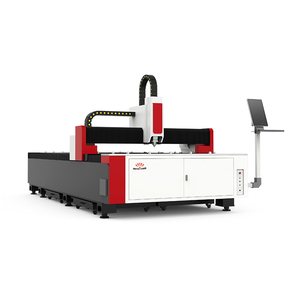
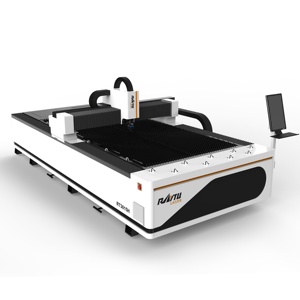
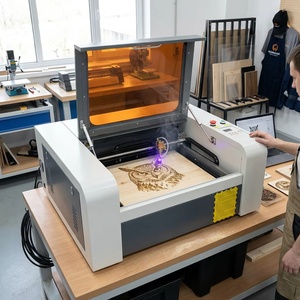
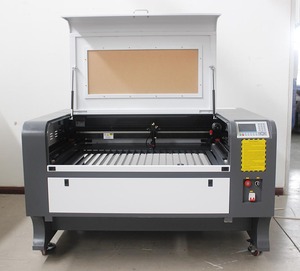
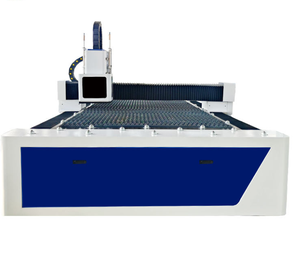
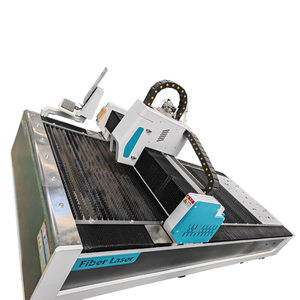
Chittagong’s shipbreaking and steel fabrication industries rely on high-capacity cartridge dust collectors for plasma cutting, arc welding fume extraction, and high-power fiber laser cutting machines.
How our dust collectors deliver localized operational value across Bangladeshi manufacturing hubs.
Challenge: Massive quantities of airborne cotton dust, fiber lint, and micro-particles generated during spinning, knitting, and napping processes. High moisture content causes standard filter bags to clog within weeks.
Our Solution: Customized Pulse-Jet Baghouse Collectors equipped with oleophobic and hydrophobic PTFE-membrane needle felt filter bags. Features explosion-relief vents (ATEX compliant) and continuous automatic pulse cleaning without stopping operations.
Result: Maintains air-to-cloth ratios under 1.2 m/min, extends filter lifetime by 300%, and ensures compliance with international buyer safety audits (Accord / Alliance standards).
Challenge: Fine sawdust from MDF, plywood, teak, and solid wood sanding operations causes poor visibility, worker health hazards, and heavy wear on CNC router bearings.
Our Solution: High-efficiency Cyclone Dust Collectors paired with multi-bag secondary collectors. Heavy-gauge carbon steel cyclone body separates coarse chips before fine dust reaches the filter media.
Result: 98% pre-separation efficiency, reduced motor load, clean shop floor air, and captured wood waste ready for briquetting or boiler fuel reuse.
Challenge: Heavy, abrasive dust generated during clinker unloading, bagging, mixing, and pneumatic conveying under extreme ambient humidity.
Our Solution: Heavy-duty Bin Vent & Insertable Silo Filters constructed from 4mm thick welded steel with anti-corrosive epoxy coating and automatic solenoid-activated pulse controls.
Result: Zero product loss during pneumatic transfer, dust-free bagging halls, and protection of electromechanical gearboxes from abrasive ambient grit.
We combine decades of air filtration design with direct shipping and technical backing for Bangladeshi industrial enterprises.
Specifically formulated hydrophobic and oleophobic media coatings prevent humidity bridging, ensuring stable static pressure even during 95% relative humidity conditions in Bangladesh summers.
Automated static pressure sensors adjust fan motor speeds in real-time, cutting electrical power consumption by up to 40% during off-peak or partial production hours.
We stock replacement filter cartridges, solenoid pulse valves, diaphragm kits, and digital differential pressure gauges for immediate dispatch to Chittagong port or Dhaka airport.
Technical and commercial clarity for factory managers, procurement officers, and engineering consultants in Bangladesh.
Answer: All our industrial dust collectors are engineered to match standard Bangladeshi industrial electrical grid specs: 415V, 3-Phase, 50Hz (with tolerance for ±10% voltage fluctuations). Controls feature Siemens/Schneider breakers and thermal overload protection to handle grid instability.
Answer: We supply equipment under FOB, CIF Chittagong Port, or CFR terms. We provide complete documentation required by Bangladesh Bank and customs authority, including Commercial Invoice, Packing List, Country of Origin Certificate, Bill of Lading, and pre-shipment inspection certificates if mandated by LC terms.
Answer: Cartridge Collectors are ideal for fine, dry powders such as laser cutting fumes, welding smoke, and pharmaceutical powders (air-to-cloth ratio ~1.0-1.5 m/min). Baghouse Collectors excel in handling sticky, fibrous, or high-volume organic dust like cotton lint, woodworking chips, and heavy cement grit. Our technical team calculates your exact CFM and static pressure requirement before recommending a system.
Answer: Yes. Our secondary HEPA and reverse-pulse baghouse systems achieve clean air discharge levels below 10 mg/m³, far exceeding the DoE requirement of < 50 mg/m³ SPM (Suspended Particulate Matter). This protects your plant against environmental compliance penalties and facilitates LEED green building certification.
Answer: We provide comprehensive 3D duct layout engineering designs, electrical schematics, and detailed step-by-step installation manuals. For large centralized systems, our senior commissioning engineers can provide remote online guidance or on-site supervision for installation, duct balancing, and operator training.