
Explore our heavy-duty machinery lineup configured with custom voltage stabilization, reinforced frames, and tropicalized dust containment systems engineered specifically for the Nigerian manufacturing ecosystem.
In modern industrial fabrication—spanning solid wood furniture production in Lagos, architectural joinery in Abuja, to heavy sheet metal deburring in the Ogun State industrial corridor—surface preparation remains the definitive bottleneck determining product valuation and operational efficiency. As a premier Custom OEM Sanding Machine Supplier & Exporter serving Nigeria, our engineering ethos centers on bridging the gap between heavy-duty mechanical reliability and precision surface calibration.
Surface finishing is not merely an aesthetic step; it is a critical mechanical process governed by abrasive grit sequencing, contact drum shore hardness, linear belt speed, and dynamic feed rate synchronization. In tropical industrial environments like West Africa, where humidity fluctuations affect timber Equilibrium Moisture Content (EMC) and power grid instabilities challenge delicate electronics, standard off-the-shelf sanding equipment frequently fails due to thermal overload, inadequate dust sealing, and structural frame flex.
Our custom wide-belt sanders, surface calibrators, and combination laser-deburring units are constructed using stress-relieved, heavy-gauge welded steel chassis. Unlike lighter bolt-together frames that resonate and introduce chatter marks on sensitive veneers, our heavy-rigidity structures absorb micro-vibrations, enabling dimensional tolerances within ±0.05 mm across full-sized 4x8 ft and 5x10 ft panels.
Engineered with dynamically balanced steel or high-durometer rubber contact rollers (85-90 Shore A) for heavy material removal and timber thickness calibration prior to secondary sanding stages.
Infrared photo-electric sensors coupled with high-frequency pneumatic cylinders maintain continuous, uniform belt tracking, preventing edge fraying and extending abrasive belt life by up to 35%.
Standardized on Schneider electronics and Delta/Schneider VFDs housed within IP54-rated sealed cabinets featuring active thermostatic cooling to resist ambient dust and high heat.
Deploying machinery into the Nigerian industrial market requires acute awareness of local raw material characteristics and operational environments. From handling dense African hardwoods to preparing laser-cut sheet steel, our machines are custom-configured for specific regional manufacturing hubs:
Nigerian hardwoods such as Sapele, Teak, Obeche, and Mahogany possess high density and uneven grain structure. Manual hand-sanding results in uneven surfaces and excessive labor costs. Our wide-belt calibrating sanders feature dual-head configurations (R-P: Rubber Roller + Finishing Pad) that flatten thickness deviations in glued solid timber doors while finishing the surface with P180 grit readiness for lacquer application in a single pass.
With the surge in commercial and residential developments in Port Harcourt and Eastern Nigeria, cabinet makers nesting MDF and marine plywood demand flawless surfaces for melamine pressing and high-gloss polyurethane spraying. Our suction-vacuum bed sanding machines secure small components without slippage, guaranteeing seamless edge deburring and uniform surface roughness (Ra values).
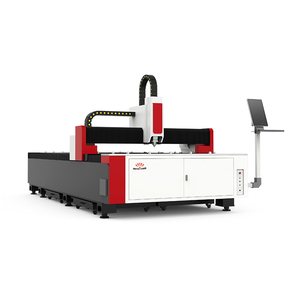
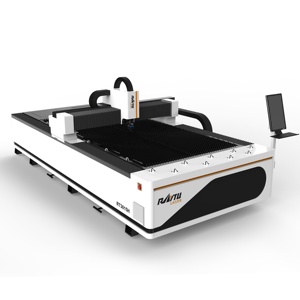
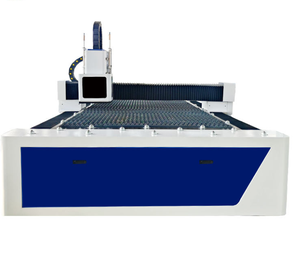
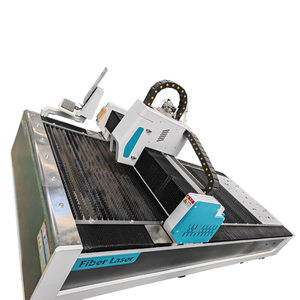
Metal fabrication plants utilizing fiber CNC laser cutters (such as our 6000W-12000W series) encounter thermal dross and sharp burrs along cut edges. Our heavy-duty metal deburring and sanding machines incorporate rotary brush units that round sharp edges uniformly, ensuring powder-coating paints adhere without premature peeling or rust formation in coastal humid climates.
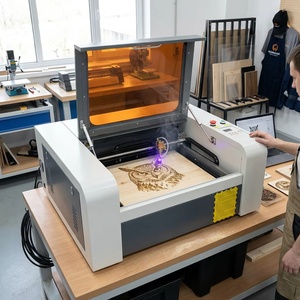
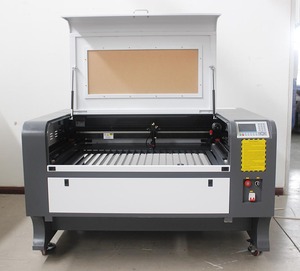
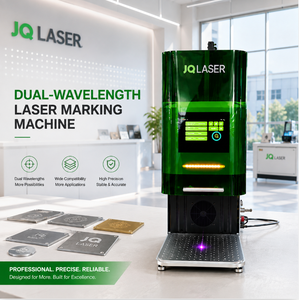
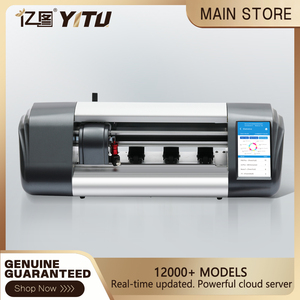
Precision acrylic, brass plate, and wood veneer signmaking requires delicate surface polishing without melting thermal plastics. Our desktop CO2 laser and smart screen profiler systems operate with micro-tunable focal paths and variable speed belt sanders, enabling high-end branding studios in Abuja to produce luxury signage with zero material waste.
The manufacturing landscape in Nigeria is undergoing a massive structural shift. Driven by federal import substitution policies, local content incentives, and the implementation of the African Continental Free Trade Area (AfCFTA), Nigerian furniture manufacturers and metal fabricators are transitioning rapidly from manual labor to automated, high-precision industrial machinery.
Key Market Driver 1: Mitigation of Labor Turnover & Skill Gaps. Relying on hand-sanding for large-volume door production leads to severe bottlenecking and inconsistent quality. A single OEM wide-belt sanding machine replaces up to 12 manual workers while delivering repeatable, micrometer-accurate results across 3-shift daily operations.
Key Market Driver 2: Transition to High-Value Export Standards. Furniture makers in Ikeja and Sagamu expanding into ECOWAS regional exports require international finishing standards. Our machines ensure surfaces achieve exact surface tension parameters required for automatic spray line adhesion.
Key Market Driver 3: Power Optimization & Generator Compatibility. Operating in factory zones that rely on heavy diesel generators requires low startup torque spikes. Our custom OEM builds incorporate Soft-Starters or Delta Variable Frequency Drives (VFDs) that reduce peak current draw by up to 60%, allowing factories to run heavy machinery smoothly on standard 100KVA–250KVA industrial generators.
With over 35 years of global equipment engineering heritage, we do not simply supply machinery; we deliver turnkey industrial production solutions optimized for West African manufacturing constraints:
Direct answers from our OEM application engineers regarding electrical compatibility, shipping logistics, and factory setup in Nigeria.
Yes. All machines exported to Nigeria are custom-configured for 415V, 50Hz 3-Phase power. We integrate Soft-Starters and VFDs to minimize current spikes during startup, ensuring seamless compatibility with standard industrial diesel generators (such as Mikano, Caterpillar, or Cummins units).
Our dedicated export department provides complete documentation needed for Form M issuance, pre-shipment inspection, and SONCAP (Standard Organization of Nigeria Conformity Assessment Program) clearance. We ship via major lines directly to Apapa, Tincan Island, or Onne Ports.
Steel contact drums are designed for heavy calibrate-sanding (thickness reduction up to 1-2mm per pass), whereas rubber drums (65-85 Shore hardness) provide cushioned, smooth finishing without burning timber grain. Our engineers analyze your timber species (e.g., Mahogany, Teak, Sapele) to specify the ideal head layout.
We offer live engineer support via video call Monday through Saturday. Additionally, we stock critical electronic components (sensors, VFDs, PLC boards, contactors) and wear parts (abrasive belts, conveyor pads) for express DHL/FedEx air shipping directly to your factory doorstep in Nigeria.
Wood sanding and metal deburring require distinct internal fluid management, dust collection, and spark containment systems. We manufacture dedicated woodworking wide-belt sanders as well as specialized metal deburring/polishing units with wet dust extractors to prevent combustion risks.
Most commercial furniture and door plants in Lagos and Aba report full capital investment recovery within 6 to 10 months. ROI is achieved through an 80% reduction in manual labor costs, zero scrapped timber due to uneven hand sanding, and lower paint/coatings usage on calibrated flat surfaces.
Speak directly with our technical application engineers to configure a custom sanding, calibration, or laser finishing machine tailored to your factory's exact material specifications, power supply, and production volume in Nigeria.