
Engineered for high-duty operational cycles, extreme mechanical rigidity, and flawless multi-material nesting across Osaka's manufacturing districts.
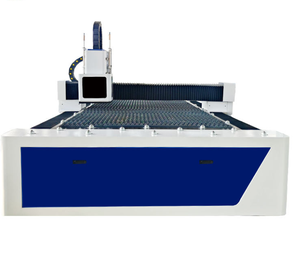
An in-depth analysis of automatic tool changer (ATC) CNC router integration for regional woodworking, non-ferrous aluminum fabrication, and modern interior joinery.
Osaka has historically stood as Japan's powerhouse for precision engineering, custom cabinetry, architectural millwork, and specialized hardware manufacturing. From the dense industrial hubs of Higashiosaka to the custom furniture workshops along Suminoe and Sakai, regional manufacturers face a systemic shift: balancing traditional Monozukuri craftsmanship with an imperative to automate due to skilled labor shortages.
Our direct-factory Automatic Tool Changer (ATC) CNC Routers provide the exact technological bridge needed. By automating complex tool sequences—combining profiling, grooving, boring, pocketing, and 3D carving into single, uninterrupted program executions—manufacturers eliminate human setup errors and maximize hourly panel output.
In high-density production environments across Kansai, floor space comes at a premium and labor costs are high. Operating standard manual-tool CNC routers forces operators to stop the gantry, manually unscrew collets, reset Z-zero height touchoffs, and verify tool offsets for every operation phase.
| Machining Architecture | Tool Capacity | Average Swap Time | Ideal Production Scope | Impact on Osaka Workshop Yield |
|---|---|---|---|---|
| Manual Spindle Routing | 1 Tool Active | 180 – 300 Seconds | Basic Prototyping & Short Runs | Low efficiency; requires continuous operator attention. |
| Linear Rack ATC CNC | 6 to 12 Tools | 6 – 10 Seconds | Cabinetry, Doors & Signage | +35% Daily Throughput; reduces setup downtime significantly. |
| Carousel / Disc Rotary ATC | 8 to 24 Tools | < 5 Seconds | Complex Millwork & Aluminum Nesting | +55% Daily Throughput; maximum continuous spindle utilization. |
| Dual-Bed Multi-Spindle ATC | 12+ per Spindle | Simultaneous / Non-stop | High-Volume Contract Nesting | Eliminates idle loading time entirely with tandem zone switching. |
Key technological shifts defining how modern woodworking and sheet metal workshops in Osaka optimize capital expenditure.
Urban real estate constraints in Osaka city districts require CNC machinery to feature high-density floor footprints without sacrificing frame mass. Our machines utilize heavy-gauge, stress-relieved tubular steel bases welded and precision-milled in-house, ensuring vibration-free operation under heavy cuts in tight spaces.
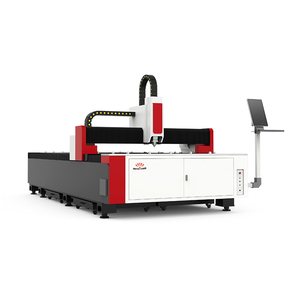
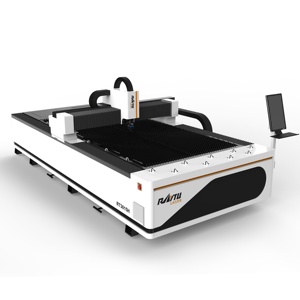
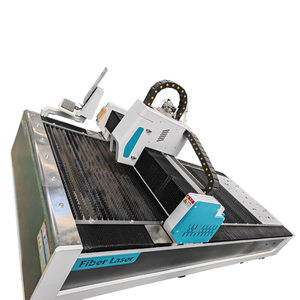
Factory electrical setups in Kansai operate on 200V 3-Phase standard systems (60Hz frequency). All our factory-direct ATC routers and fiber laser cutters are pre-configured with compliant transformers, isolated ground circuitry, and CE/JIS-certified electrical cabinets to guarantee instant plug-and-play installation.
Modern Kansai machine operators demand multi-lingual intuitive interfaces. Our ATC CNC routers feature Syntec, Cypcut, or NCStudio controllers offering complete Japanese language support, real-time toolpath visualizers, and seamless DXF/G-code importing from TopSolid, Alphacam, Cabinet Vision, or Fusion 360.
Delivering robust mechanical design, premium branded drive components, and lifetime technical backstopping without middleman markups.
A CNC router is only as accurate as its foundation. Our industrial bodies are constructed from thick-walled steel tubing, heat-treated in high-temperature annealing furnaces to release internal welding stress. This guarantees that your bed remains perfectly flat and true over decades of intensive multi-shift cutting.
We build our machines using globally recognized component brands to ensure reliable local replacement parts availability in Japan and hassle-free operation.
From high-volume commercial panel processing to intricate custom architectural features.
For custom kitchen cabinet builders and commercial shopfitters across Osaka City and Sakai, our ATC CNC Nesting Routers process full 4x8 ft and 5x10 ft sheets of plywood, MDF, and particleboard. In a single seamless operation, the machine performs line boring for shelf pins, dado cutting for drawer boxes, hinge recess milling, and outer contour nesting.
Key Advantage: Integrated auto-pop-up positioning pins ensure zero alignment delay between sheet flip operations.
Fabricators in Higashiosaka specialized in machine enclosures, architectural facade panels, and heat sink mounting plates rely on our oil-mist lubricated ATC routers. Machining 6061-T6 aluminum, brass, and copper stock at spindle speeds up to 24,000 RPM produces burr-free edges and mirror-like finishes.
Key Advantage: Micro-droplet alcohol/oil mist coolant system keeps cutters cool without flooding wood-hybrid work areas.
Sign manufacturers catering to commercial venues around Namba, Umeda, and Intex Osaka exhibition centers utilize our multi-tool CNC platforms for high-speed cutting of cast acrylic, HDU foam board, dibond, and solid copper letters. Linear tool changers allow instant switching between V-carving bit, 4mm single-flute endmill, and beveling tool.
Key Advantage: Optional CCD camera vision registration automatically corrects toolpaths based on printed crop marks.
Crafting traditional Japanese interior fittings using native timbers like Hinoki (Cypress) and Sugi (Cedar) requires extreme dimensional stability. Our 4th-axis rotary ATC routers process 3D columns, intricate mortise-and-tenon joints, and curved decorative door grilles with surgical precision.
Key Advantage: Dynamic tool offset memory prevents burn marks on soft aromatic woods.
Quantifying the economic advantage of upgrading from manual setups to an Automated Tool Changer CNC Router.
Algorithmic CAM nesting software rearranges parts tight to each other, reducing sheet scrap by up to 18%. On 200 sheets of plywood a month, this saves 36 full sheets of raw stock.
With automatic tool changing and high-vacuum hold-down, one operator can easily manage two machine cells or handle assembly while the gantry cuts autonomously.
Most mid-sized woodworking shops in the Kansai region recover their initial equipment investment within 6 to 10 months through increased capacity and saved outsourced milling costs.
Clear, direct answers regarding shipping, electrical specs, local technical support, and warranty coverage for Japanese clients.
Consult directly with our engineering team to customize table dimensions, tool magazine capacity, spindle horsepower, and controller options tailored to your factory's specific workflow.