
Explore high-rigidity CNC machine tool configurations engineered for low-tolerance metal milling, sheet processing, automated cabinet nesting, and rapid prototyping.
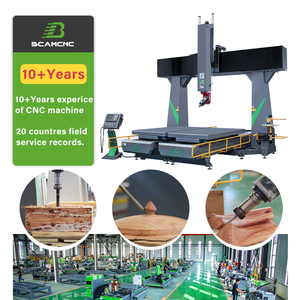
Compact 5-axis high-precision tabletop mill optimized for multi-surface complex metal parts machining, micro-milling, and R&D prototyping.
Get a Quote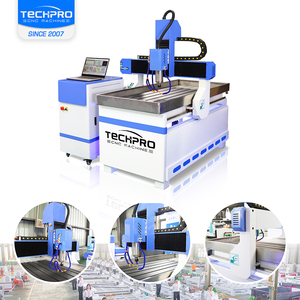
Rigid cast-frame mini CNC workcenter designed for precision metal milling, non-ferrous profiling, and cabinet door component production.
Get a Quote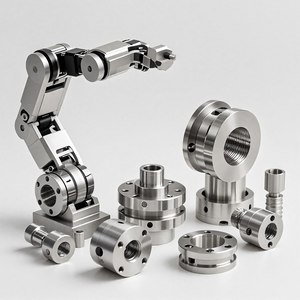
Contract manufacturing of robotics and aerospace components utilizing multi-axis CNC milling, high-tolerance wire EDM, and 3-day fast prototyping.
Get a Quote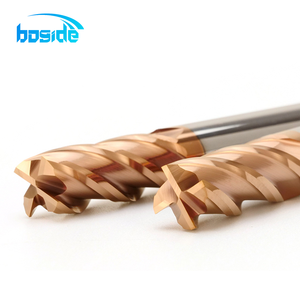
Ultra-durable tungsten steel flat milling cutters engineered for high-speed dynamic milling of hardened steels and refractory alloys.
Get a Quote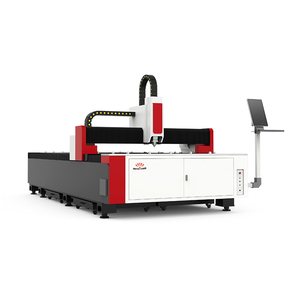
Heavy-duty 4000mm x 1500mm optical fiber laser machine engineered for high-velocity cutting of medium-to-thick carbon and stainless steel sheets.
Get a Quote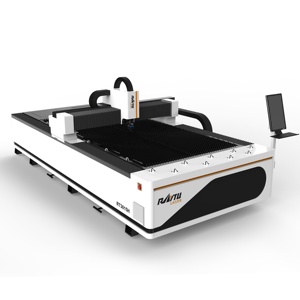
Precision steel metal plate processing machine equipped with intelligent laser heads, high-rigidity gantries, and low power consumption ratios.
Get a Quote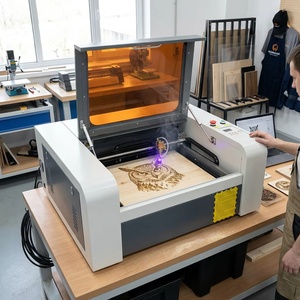
Compact water-chilled laser engraving and cutting station for processing acrylics, hardwoods, plywoods, MDF, and architectural models.
Get a Quote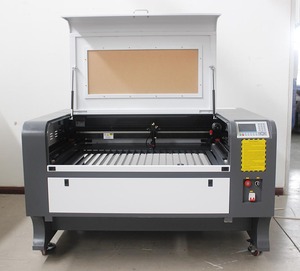
Versatile 1000mm x 800mm format laser processing machine featuring digital power management for organic materials, glass etching, and plastics.
Get a QuoteIn modern manufacturing, selecting a reliable CNC mill manufacturer and supplier extends far beyond comparing raw spindle speeds or working envelope dimensions. Advanced digital fabrication demands machine tools that maintain thermal stability under multi-shift operation, deliver predictable mechanical positioning tolerances, and feature robust control architecture. Whether sourcing a 5-axis tabletop machining center for high-value alloy prototyping or deploying a fleet of industrial nesting routers for high-throughput cabinet manufacturing, structural integrity and post-sale engineering infrastructure determine long-term return on investment (ROI).
This authoritative technical guide examines key criteria for selecting high-performance CNC milling centers, evaluates technological trends shaping next-generation machining, provides actionable cost-benefit frameworks for enterprise procurement, and addresses essential engineering FAQs.
Industrial production facilities increasingly operate hybrid shops where mechanical subtractive milling works alongside non-contact thermal fiber laser cutting. Assessing structural dynamics, drive mechanics, and toolpath control reveals clear boundary lines for procurement selection:
Utilizes physical cutting geometry (carbide end mills, ball nose cutters, shell mills) to profile, pocket, slot, and 3D-sculpt metals (7075 aluminum, stainless steel, brass) and engineered polymers. Provides true 3D surface machining, controlled depth pocketing, and exact hole tapping.
Leverages concentrated optical energy (1064nm Fiber or 10.6µm CO2 gas resonators) for non-contact high-speed linear vector cutting and micro-engraving. Offers virtually zero tool wear and minimal kerf width across thin-to-thick sheet metal and organic stock.
The global CNC equipment landscape is undergoing fundamental operational shifts driven by digital automation, material science innovations, and labor scarcity. Procurement directors must anticipate these trends to prevent capital obsolescence over a 7-to-10-year asset lifecycle:
Subtractive manufacturing is moving away from traditional 3-axis indexing toward 5-axis simultaneous milling solutions—even in small-footprint desktop and benchtop form factors. Machines like the Jinan BCAMCNC 5-Axis Tabletop Mill enable complex undercut milling, impeller pocketing, and multi-sided compound angle machining in a single setup. Eliminating work-holding repositioning reduces stack-up tolerance error by up to 80% while drastically cutting non-value-added setup labor.
Modern metal fabrication facilities are standardizing on unified control architectures capable of handling both multi-axis mechanical spindles and high-wattage fiber laser cutting heads (such as 6kW to 12kW systems). Common G-code interpreters, shared CAD/CAM nesting algorithms, and interchangeable safety PLC loops streamline operator cross-training and simplify enterprise maintenance parts inventories.
Legacy open-loop stepper motor systems have been superseded by absolute brushless AC digital servo drives equipped with optical linear encoders. Real-time dynamic load monitoring automatically adjusts feed rates when encountering localized material density spikes or cutter wear. This prevents tool breakage, preserves spindle bearing integrity, and maintains consistent surface roughness (Ra) values without human intervention.
High-volume cabinet, millwork, and panel processors prioritize automated loading/unloading, automatic tool changers (ATC), integrated vacuum hold-down zoning, and automatic part labeling. High-capacity nesting work centers minimize idle cycle times, turning machine operations into continuous-flow production units.
Compare operational characteristics across machine classes to match enterprise production metrics with appropriate mechanical architecture:
| Machine Classification | Drive Mechanics | Primary Application Envelope | Target Materials | Key Engineering Feature |
|---|---|---|---|---|
| 5-Axis Desktop CNC Mill | Preloaded Ballscrews | Precision Micro-Parts, R&D Labs, Medical Prototypes | 7075 Aluminum, Brass, Engineering Resins | Compact 5-Axis RTCP (Rotation Tool Center Point) Control |
| High-Precision Mini Mill (6090/6012) | Hiwin Linear Guide & Ballscrew | Job Shop Prototyping, Cabinet Trim, Enclosures | Non-Ferrous Metals, Hardwoods, Composites | Rigid Cast Iron Bed Frame for Harmonic Damping |
| Industrial Fiber Laser Cutter (4015/6kW+) | Dual-Drive Rack & Pinion | Heavy Structural Sheet Metal, Vessel Fabrication | Carbon Steel, Stainless Steel, Brass Sheets | Optical Fiber Source with Auto-Focus Laser Head |
| Desktop CO2 Laser Processing (4040/1080) | High-Speed Stepper / Servo | Signage, Display Models, Architectural Crafts | Acrylic, MDF, Leather, Plywood, Glass Etching | Water-Chilled Sealed Glass CO2 Tube System |
When sourcing industrial CNC machinery, long-term operational profitability depends heavily on the structural build quality of the machine frame and the responsiveness of the manufacturer's technical support ecosystem.
All heavy-duty CNC mill and router structures utilize heavy-wall tubular steel frames that are stress-relieved via heat-treatment cycles prior to precision gantry milling. This eliminates internal material tension, ensuring long-term bed flatness and geometric squareness.
Utilizing zero-backlash planetary gearboxes, hardened helical rack-and-pinion assemblies, and precision-ground ballscrews ensures smooth acceleration curves, minimal mechanical wear, and high vector cutting speeds across long production runs.
Direct access to seasoned application engineers—not outsourced call centers or automated chatbots—guarantees rapid diagnostic resolution. Same-day dispatch of replacement spindles, drive amplifiers, and tooling minimizes unscheduled shop downtime.
Detailed engineering answers to critical operational, financial, and technical questions asked by shop managers and procurement officers.
The fundamental distinction lies in dynamic structural rigidity and spindle torque curves. A light-duty router uses lighter gantry frames designed for high linear speeds in soft materials like wood or plastics. A metal-cutting CNC mill features cast iron or heavy stress-relieved steel frames, linear motion guide blocks with high load capacities, preloaded ballscrews, and high-torque low-RPM spindles (or geared spindle drives) capable of withstanding the substantial side loads generated when cutting steel or tough alloys.
Titanium Aluminum Silicon Nitride (TiAlSiN) is a nanocomposite PVD coating designed for high-thermal milling environments (handling hardness ratings from HRC45 up to HRC65). The addition of Silicon creates an extremely hard nano-structure with superior oxidation resistance up to 1100°C. This allows dry or mist-cooled dynamic milling of hardened tool steels while reducing friction co-efficients and drastically extending cutter edge life.
Higher laser power directly translates to increased maximum cut thickness and dramatically faster linear feed rates on mid-gauge metals. A 6kW fiber laser cuts 12mm carbon steel up to 3x faster than a 3kW machine, significantly lowering gas consumption per meter. Upgrading to 12kW unlocks high-speed nitrogen assist-gas cutting on stainless steel up to 25mm, eliminating oxide layers and post-cutting deburring operations.
Most commercial machine shops recover equipment capital expenditure within 8 to 14 months. Primary ROI drivers include bringing previously outsourced 5-axis milling or laser cutting jobs in-house, optimizing sheet yield through smart automatic nesting software (reducing raw material scrap by 15-25%), and utilizing automated ATC systems to keep spindles running continuously across multiple shifts.
Require the manufacturer to perform a live cut test on your specific material grades using your supplied CAD/CAM geometry. Verify positioning accuracy and repeatability using laser interferometer inspection reports (ISO 230-2 standards), confirm spindle dynamic balance ratings (G0.4 or better), inspect linear guide brand authenticity, and verify local spare parts stocking availability.
Send us your dimensional drawings, target material specifications, and production output requirements. Our technical team will provide tailored machine configurations, complete tooling packages, and formal enterprise quote packages.
Get a Quote