
Engineered for seamless integration with high-precision closed-loop water chillers, maximizing operational uptime, laser beam quality, and mechanical component longevity.
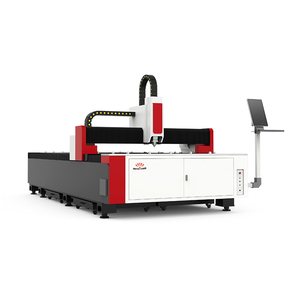
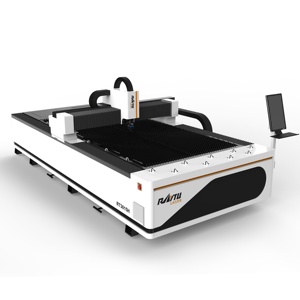
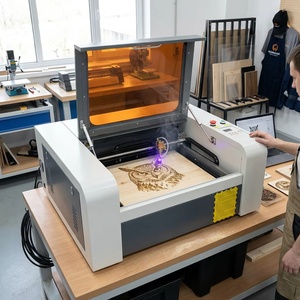
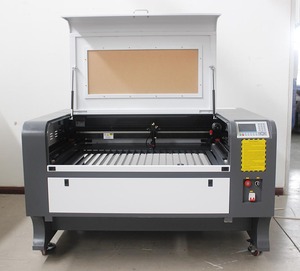
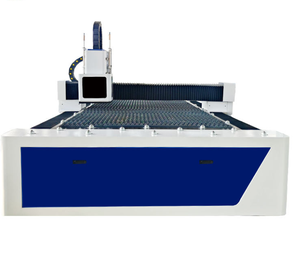
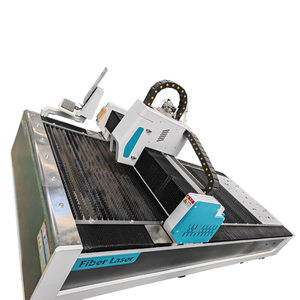
As a premier Chinese OEM/ODM industrial chiller manufacturer and exporter, we combine rigorous factory testing, stress-relieved structural frameworks, and world-class refrigeration components to guarantee zero unscheduled downtime.
Our dual-channel water chillers feature independent cooling loops for the optical laser head and the fiber laser resonator source simultaneously. This eliminates internal condensation risk while maintaining strict ±0.1°C beam stability.
Equipped with microcomputer-driven intelligent thermostat controllers. Supports real-time RS-485 Modbus communication protocol to integrate seamlessly with CNC machines, laser cutters, and factory automation controllers for centralized monitoring.
Built with stainless steel water pumps, high-efficiency plate heat exchangers, and copper evaporator coils. Anti-corrosive treatments protect internal fluid channels against scaling, rust, and chemical degradation under 24/7 continuous operation.
Utilizing eco-conscious R410A, R32, and R290 refrigerants meeting global CE, RoHS, and REACH standards. Variable-frequency inverter compressors automatically adjust motor speed based on thermal load to reduce power consumption by up to 35%.
Integrated flow protection, high/low temperature alarms, compressor over-current delay protection, and pump overload cutoff ensure that processing laser heads and CNC spindles are automatically protected during coolant flow failures.
Backed by direct factory engineering support, rapid spare parts fulfillment, and comprehensive online diagnostic consultation. Every exported chiller is subjected to full-load pressure testing before international export dispatch.
Select the ideal cooling unit matching your laser source power, spindle wattage, and environmental operating conditions.
| Chiller Series | Cooling Capacity | Temp. Stability | Pump Flow Rate | Refrigerant | Primary Application |
|---|---|---|---|---|---|
| CW-5000 / CW-5200 | 0.8kW – 1.4kW | ±0.3°C | 10 – 16 L/min | R-410a / R-134a | 40W–150W CO2 Laser, CNC Spindles up to 5kW |
| CWFL-1500 / 2000 | 4.2kW – 6.5kW | ±0.5°C | Dual Circuit (25+15 L/min) | R-410a Eco | 1kW–2kW Fiber Laser Cutters & Welders |
| CWFL-6000 / 12000 | 14kW – 30kW | ±1.0°C / ±0.5°C | High Flow Stainless Steel | R-410a / R-32 | 6kW–12kW High Power Fiber Metal Cutters |
| CWFL-30000 / 40000 | 60kW – 100kW+ | ±1.0°C Intelligent PID | Industrial Flanged Pump | Environmentally Compliant R-32 | 30kW–40kW Ultra-High Power Metal Cutters |
| Ultrafast UV Chiller | 0.6kW – 2.0kW | ±0.1°C High Precision | Magnetic Drive Silent Pump | R-134a Eco | Picosecond & Femtosecond UV Lasers |
In modern metal fabrication, precision woodworking, and industrial material processing, thermal management has transitioned from a secondary accessory to a central determinant of machine productivity, cutting tolerance, and optical lifespan. As fiber laser powers scale from kilowatt levels into ultra-high power regimes exceeding 30kW and 40kW (as seen in modern multi-kilowatt fiber laser cutters), maintaining thermal equilibrium inside optical cavities, QBH connectors, and laser diode stacks becomes paramount.
Fiber lasers convert electrical energy into coherent optical beam output with electrical-to-optical conversion efficiencies typically hovering between 30% and 40%. The remaining 60% to 70% of input electrical energy is dissipated directly as waste heat within the active gain fibers and pump diodes. Without targeted, high-capacity closed-loop water chillers, internal junction temperatures escalate exponentially, leading to several critical degradation failure modes:
To address complex multi-temperature thermal profiles within fiber laser systems, state-of-the-art water chillers employ a Dual-Temperature Dual-Control Cooling Circuit. This architecture isolates the cooling fluid into two distinct thermal loops:
Global procurement directors, equipment OEMs, and industrial factory managers must stay ahead of regulatory, environmental, and technological shifts shaping the global refrigeration market. Below are the core development trends transforming industrial water chiller manufacturing in China and worldwide:
Under the Kigali Amendment and European F-Gas Regulation directives, legacy hydrofluorocarbon refrigerants such as R22 and high-GWP R404A are being systematically phased out. Global buyers are prioritizing suppliers who offer chillers charged with low Global Warming Potential (GWP) alternatives like R32 and natural hydrocarbon refrigerants (R290 propane). Forward-looking Chinese chiller manufacturers are re-engineering compressors, heat exchangers, and leak-detection circuits to safely accommodate these ultra-efficient, environmentally compliant media.
The era of standalone, analog-monitored water chillers has drawn to a close. Modern smart factories demand full digital visibility across all auxiliary systems. Future-ready chillers incorporate RS-485 Modbus, CANopen, or OPC-UA communication protocols. Factory operators can remotely track water flow rates, inlet/outlet differential temperatures, compressor operating frequencies, fluid conductivity, and predictive maintenance alerts directly on the primary CNC controller interface or cloud-based MES (Manufacturing Execution Systems).
Traditional fixed-speed compressors operate in a harsh ON/OFF cycle mode, causing continuous electrical current surges and cyclic temperature ripples. Next-generation industrial chillers utilize DC inverter variable-speed compressors coupled with electronic expansion valves (EEV). By continuously throttling motor RPM to match real-time thermal load demand, energy consumption is reduced by 25% to 40% during light-load operating cycles while achieving micro-precision temperature control down to ±0.1°C.
Insights from our thermal application engineers to assist purchasing teams, machine builders, and international distributors.
To accurately size a water chiller for a fiber laser cutter, a standard industry baseline rule is to select a cooling capacity equal to or greater than 1.5 to 2.0 times the electric heat output of the laser power source. For example, a 3kW fiber laser (assuming 30% wall-plug efficiency) generates approximately 7kW of waste heat, requiring a chiller rated for at least 7.5kW to 9kW of cooling capacity at 25°C ambient temperature. For CNC motorized spindles, multiply spindle motor kilowatt power by 0.20 to 0.30 depending on duty cycle and bearing loads.
Air-cooled water chillers reject absorbed heat into the surrounding ambient air using internal condenser coils and axial cooling fans. They are self-contained, easy to install, and require no external cooling tower connection—making them ideal for most industrial shops. Water-cooled chillers transfer heat to an external facility water loop or cooling tower; they offer higher thermal efficiency in extreme heat environments (+45°C ambient) but require dedicated external plumbing infrastructure.
Standard tap water contains high concentrations of dissolved minerals (calcium, magnesium, chlorides) that rapidly form mineral scale on heat exchange surfaces and optics. Scale dramatically reduces thermal heat transfer efficiency and can clog micro-channel cooling jackets inside laser cutting heads. Distilled or deionized water prevents scaling. Additionally, maintaining low electrical conductivity (typically below 10 μS/cm via internal deionization resin filters) prevents electrical arc erosion and galvanic corrosion within sensitive laser cavities.
Our industrial water chillers are fully engineered and tested to comply with international export standards including CE (Low Voltage Directive and Electromagnetic Compatibility EMC), RoHS compliance for hazardous substances, ISO9001 Quality Management certification, and UL-compliant electrical panel assembly configurations for North American market entry.
We provide full OEM/ODM manufacturing services for global machinery brands. Customizable parameters include: custom sheet metal chassis sizing and powder-coat RAL color matching, dual-voltage power supplies (110V/220V/380V/440V at 50/60Hz), custom high-head stainless steel pumps, specialized Modbus/EtherNet communication protocols, and custom private-label branding and literature packages.
All chillers ship with a 2-Year Comprehensive Factory Warranty covering compressors, water pumps, controller PCBs, and heat exchangers. We maintain emergency spare parts stock for same-day dispatch via express air shipping, supplemented by direct video diagnostic sessions with senior refrigeration engineers available 24/7 for international accounts.
Consult with our senior thermal engineers to get a tailored cooling calculation, technical drawing, and direct factory price quote for your industrial application.