
Modern precision engineering requires strict compliance with mechanical tolerances, high dynamic repeatability, and minimized total cost of ownership (TCO). As global original equipment manufacturers (OEMs) shift toward high-throughput automated production lines, identifying top-tier manufacturing partners in China for industrial automatic lathes, CNC fiber laser cutters, and multi-axis machining centers has become a critical strategic objective.
This whitepaper reviews top-tier industrial machinery configurations, evaluates strategic procurement vectors, details key technology shifts in Chinese machine tool manufacturing, and answers crucial technical questions for sourcing engineers and plant directors.
Curated industrial-grade CNC automatic machines, fiber lasers, and precision engravers engineered for heavy-duty metal profiling, micro-part turning, and rapid production workflows.
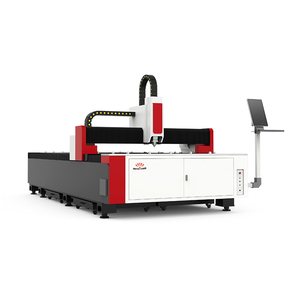
Heavy-duty 4000mm x 1500mm laser cutting center equipped with high-power fiber sources for rapid carbon steel and alloy plate fabrication.
Get Catalog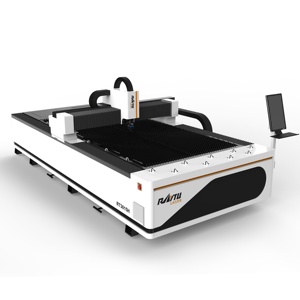
Optimized for high-speed sheet metal processing with active anti-collision cutting heads and closed-loop Yaskawa servo drives.
Get Catalog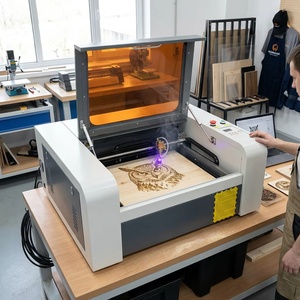
Precision desktop setup with integrated liquid chilling, designed for acrylic, wood, plywood, leather, and non-metal detailing.
Get Catalog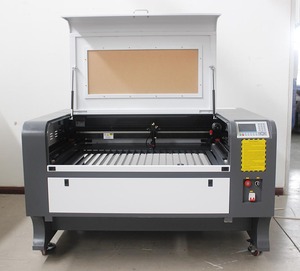
Wide-format 1000x800mm work bed featuring digital stepper controls and high-transmittance focusing optics for industrial signmaking.
Get Catalog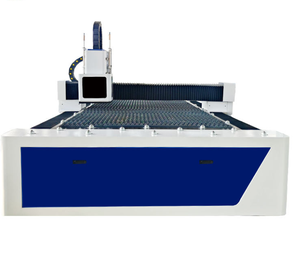
Extreme-capacity fiber cutter for structural steel plates up to 50mm thickness, engineered with gantry-style dual-drive dynamics.
Get Catalog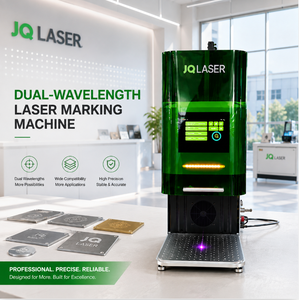
Hybrid optical configuration combining infrared fiber and diode lasers for seamless switching between metal marking and organic cutting.
Get Catalog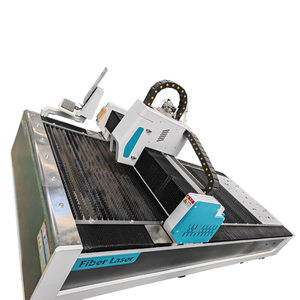
Industrial 3-axis platform featuring Japanese Yaskawa AC servos, Cypcut CNC interface, and 3-year factory coverage.
Get Catalog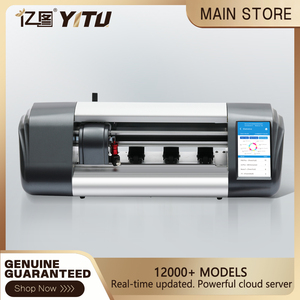
Intelligent desktop micro-blade cutter featuring 7-inch touch telemetry and automated cloud updating for film and foil profiling.
Get CatalogTop-tier Chinese machine tool factories build long-term reliability through advanced metallurgical aging, precision components, and direct technical support networks.
Premium automatic lathe suppliers utilize HT300 gray iron castings, subjected to natural aging and vibration stress relief processes. This prevents frame warping under high-speed cutting forces and thermal fluctuations during long shifts.
By pairing high-speed motorized spindles with absolute optical encoders (e.g., Yaskawa, THK linear rails, and Taiwanese PMI ballscrews), automatic lathes maintain continuous sub-micron positioning accuracy over millions of production cycles.
Leading suppliers provide comprehensive after-sales support, stocking key spindle bearings, drive boards, and fiber laser optics. Technical support engineers deliver fast remote telemetry troubleshooting to preserve uptime.
Comparing performance metrics across high-precision machine types helps engineers match equipment capabilities with part geometries and material demands:
| Machine Category | Typical Accuracy | Optimal Materials | Throughput Rate | Primary Industrial Use Case |
|---|---|---|---|---|
| Swiss-Type Automatic Lathe | ±0.002 mm | Stainless, Titanium, Brass | Very High (24/7 Bar Fed) | Medical Screws, Aerospace Pins, Automotive Fittings |
| Multi-Axis Turning Center | ±0.005 mm | Alloy Steel, Aluminum, Plastics | High (Chucker/Bar Feed) | Complex Valve Bodies, Shafts, Flanges |
| High-Power Fiber Laser (6K-12KW) | ±0.03 mm | Carbon Steel, Stainless, Aluminum | Ultra High (Sheet Metal) | Chassis Fabrication, Heavy Enclosures, Structural Plates |
| Compact CO2 / Diode Laser | ±0.01 mm | Acrylic, Wood, Thin Foils | Medium (Batch Processing) | Screen Protectors, Gaskets, Signage, Micro-Etching |
The machine tool manufacturing industry in China is undergoing a rapid technical evolution driven by smart automation, digital twin modeling, and hybrid machining technologies. Plant procurement teams should account for these primary shifts when planning facility upgrades over the next five years:
Traditional single-turret lathes are giving way to multi-channel turning-milling centers equipped with B-axis tilting spindles and Y-axis offset capabilities. This enables complete machining of complex parts in a single setup, reducing geometric error from workpiece transfers.
Thermal expansion of the machine bed and spindle shaft remains a major source of dimensional drift. Modern automatic lathes integrate embedded thermal sensors connected to real-time CNC algorithms. The controller dynamically adjusts coordinate offsets to preserve tolerances within ±0.003 mm across varying ambient room temperatures.
Fiber laser power limits continue to expand, with 12KW to 40KW installations becoming standard for thick-plate processing. High-efficiency beam shaping technology now modulates the focal spot dynamically, cutting nitrogen auxiliary gas consumption by up to 40% while doubling feed rates.
Procuring industrial CNC machinery from global suppliers requires evaluating total cost of ownership (TCO), software compatibility, and supply chain transparency rather than relying solely on initial purchase price.
1. Automated Bar Feeder & Robotic Integration: Sourcing managers increasingly specify factory-fitted automatic magazine bar feeders and gantry loading robots. Automating raw material handling allows shops to run unattended "lights-out" shifts, lowering unit labor costs.
2. Standardized Toolholding & Rapid Changeovers: Standardizing tooling interfaces (including ER collets, HSK-A63, and VDI toolholders) across all installed lathes helps shorten job changeovers and cuts tooling inventory expense.
3. ISO 9001 and CE Traceability: Tier-1 global buyers mandate full material mill test reports (MTRs), laser interferometer accuracy charts (e.g., Renishaw calibration reports), and certified electrical schematics to ensure compliance with regional factory safety standards.
Connect with our application engineers to receive full machine technical specifications, options for custom bar-feeder configurations, layout drawings, and OEM quote details.