
Precision-engineered fume extractors and dust collection systems engineered for seamless integration with high-power CNC laser cutters, metal processing centers, and heavy manufacturing lines.
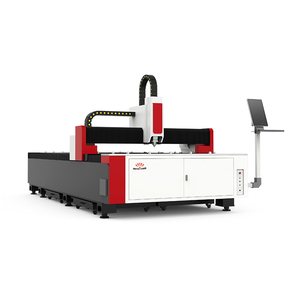
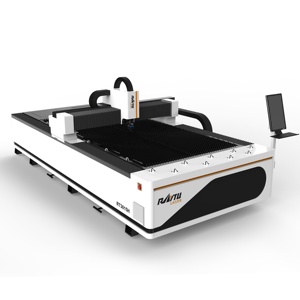
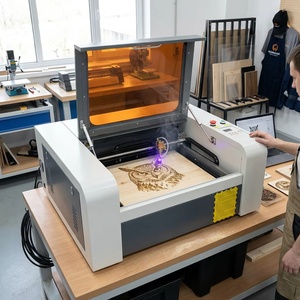
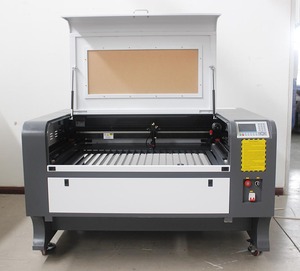
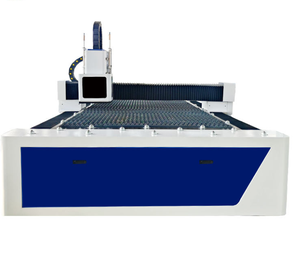
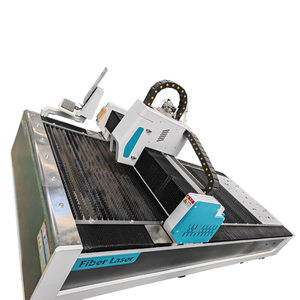
In modern industrial manufacturing environments, dust collection and air filtration have evolved from auxiliary peripheral equipment into critical plant infrastructure. As high-power CNC fiber laser cutting (reaching upward of 40kW), rapid panel nesting routers, automated plasma torches, and dry metal machining operate at unprecedented feed speeds, the volumetric generation of sub-micron particulate matter, hazardous air pollutants (HAPs), and combustible particulates has grown exponentially. Procuring a standard off-the-shelf air cleaner is no longer sufficient for global original equipment manufacturers (OEMs) and high-throughput production facilities.
This industry whitepaper evaluates the modern landscape of Custom OEM Dust Collector Manufacturing, providing procurement executives, plant engineers, and machinery OEMs with actionable intelligence on fluid dynamics, filter media technological selection, explosion protection compliance standards (NFPA 654, NFPA 68, NFPA 69, and ATEX Directives), and Smart IIoT telemetry integration. When specifying custom dust extraction cells, achieving optimum total cost of ownership (TCO) requires a precise alignment of air-to-cloth ratios, volumetric flow rates (CFM/m³h), static pressure drop engineering, and energy recovery mechanisms.
As global industrial regulations tighten under stringent OSHA, EPA, and EU-CE environmental mandates, industrial procurement strategies are undergoing a fundamental transformation. B2B buyers and equipment builders must align their supply chains with key emerging trends defining the future of industrial dust collection:
Next-generation OEM collectors incorporate smart PLC controllers embedded with optical dust sensors, sensor-driven differential pressure (ΔP) monitoring, and cloud-connected telemetry. Systems predict filter blinding, detect rupture events instantly, and dynamically modulate pulse-jet cleaning frequency to extend filter cartridge service life by up to 40%.
Traditional fixed-speed blowers operate at 100% capacity regardless of thermal loading or tool activation. Modern custom OEM units integrate Variable Frequency Drives (VFDs) slaved to duct static pressure transducers. By automatically adjusting motor RPM based on active machining zones, facilities reduce baseline electrical consumption by 30% to 55% annually.
The industry is rapidly shifting away from conventional spunbond polyester and commodity cellulose toward synthetic nanofiber surface-loading technology. Formulated with a surface matrix of micro-denier fibers (0.2–0.3 microns), nanofiber media captures ultrafine thermally generated fume particles at the surface, preventing deep-bed loading and enabling low-pressure pulse cleaning.
Processing reactive light metals (aluminum, titanium, magnesium), organic wood dusts, carbon fibers, or polymer powders generates explosive dust clouds within collection hoppers. OEM custom manufacturing must prioritize explosion mitigation architecture engineered directly into the collector structure:
We provide turnkey design, engineering, prototype validation, and mass manufacturing of industrial dust collectors tailored to your brand's technical specifications and color requirements.
Our in-house aerodynamics team uses Advanced Computational Fluid Dynamics (CFD) modeling to analyze internal airflow velocity profiles, eliminate stagnant eddies, and equalize dust loading across all cartridge filters for maximum operational efficiency.
From 1,000 CFM compact benchtop units to 50,000+ CFM centralized multi-module filtration banks, our high-precision CNC laser cutting and robotic welding production lines deliver scalable custom enclosures with short lead times.
We supply machine tool builders around the world with fully private-labeled dust extraction hardware. Custom sheet metal geometry, specialized paint matching (RAL colors), proprietary PLC firmware, and exact electrical wiring interface harnesses are engineered to your precise standards.
Every custom collector undergoes rigorous static pressure testing, seal integrity verification, aerosol leak detection testing, and full electrical panel testing prior to factory dispatch, ensuring total reliability upon delivery.
All OEM designs conform to international regulatory benchmarks, including CE compliance directives, UL/CSA electrical standards, OSHA indoor air quality limits (PELs), and ATEX explosive atmosphere directives.
We maintain an extensive inventory of OEM replacement cartridges (nanofiber, PTFE membrane, flame retardant), diaphragm pulse valves, rotary airlocks, and fan impellers, guaranteeing same-day dispatch for critical maintenance needs.
Detailed technical answers to common questions encountered during the procurement, design, and integration of industrial dust extraction systems.
Airflow requirements are calculated based on target capture velocity at the hood or machine enclosure, total duct static pressure loss, duct diameter, and the specific density of the particulate. For instance, high-speed fiber laser cutting typically requires 1,200 to 2,500 CFM depending on table size and enclosure sealing, whereas large woodworking routers running multiple spindles require upwards of 4,000 to 8,000 CFM.
Spunbond polyester provides exceptional mechanical strength for coarse, abrasive particles. PTFE membrane offers a non-stick coating suited for sticky or humid fumes. Nanofiber provides surface-loading micro-capture for sub-micron smoke, metal fumes, and dry powders with minimal pressure drop and maximum pulse-cleaning efficiency.
Yes. We engineer complete ATEX and NFPA-compliant packages. This includes structural explosion relief vents, heavy-duty explosion isolation valves on inlet ducting, anti-static (grounded) filter cartridges, spark traps, and explosion-proof NEMA/IP-rated motors and control boxes.
Standard OEM customized units (with tailored mounting brackets, brand colors, and integrated electrical controls) typically ship within 3 to 5 weeks post design approval. High-capacity centralized modular systems require approximately 6 to 8 weeks depending on engineering complexity.
Reverse pulse-jet systems clean filter cartridges while the system is operating. A solid-state timer or differential pressure controller triggers a solenoid valve, releasing a high-pressure blast of compressed air (80-90 PSI) down through a venturi nozzle into the center of the filter. This expands the cartridge, flexing the media and blowing accumulated dust off the exterior surface into the collection hopper below.
A Variable Frequency Drive modulates motor speed to maintain constant airflow velocity as filters accumulate dust. Instead of running at maximum electrical draw continuously, the fan operates at lower RPM when filters are clean, reducing power consumption by up to 50% and extending mechanical bearing and fan impeller lifespan.
Whether you need a custom-designed fume extractor for a new machinery line or require a large-scale industrial air cleaning system for your production plant, our engineering team is ready to design your solution.
Inquire Now