
Direct-from-factory industrial cutting solutions designed for metal fabrication, stone processing, composites, and high-precision glass manufacturing.
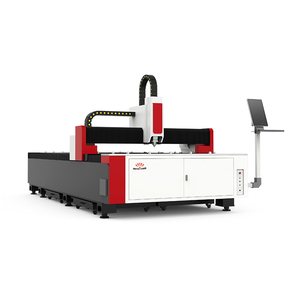
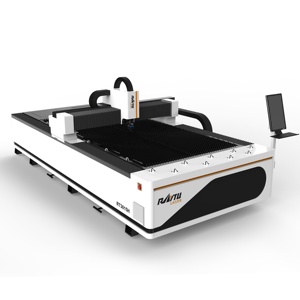
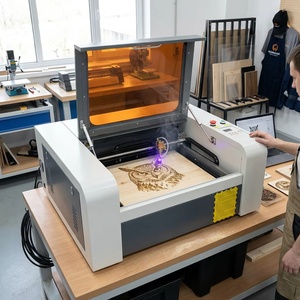
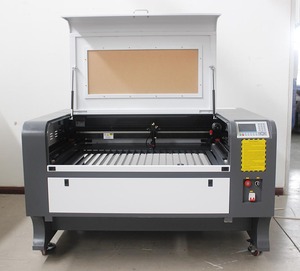
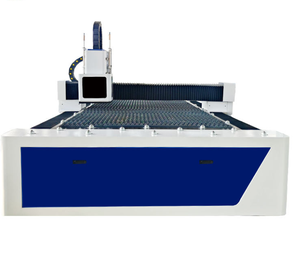

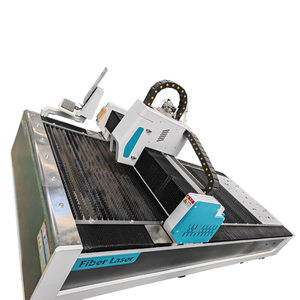
An in-depth analysis of technical parameters, procurement strategies, supplier evaluation standards, and Total Cost of Ownership (TCO) for global buyers.
In the realm of advanced industrial fabrication, ultra-high-pressure abrasive waterjet (AWJ) technology has transitioned from a specialized niche to an essential manufacturing pillar. Unlike thermal cutting methodologies such as plasma, oxy-fuel, or high-power fiber lasers, waterjet cutting induces zero Heat-Affected Zones (HAZ). This preserves the metallurgical integrity, structural grain, and chemical properties of sensitive substrates including aerospace-grade titanium alloys, Inconel, carbon fiber reinforced polymers (CFRP), and bulletproof laminated glass.
When procurement managers, industrial engineers, and factory owners search for "China Best Waterjet Cutter Factories & Exporters", their query intent extends far beyond a simple supplier list. Industrial buyers require rigorous verification across four core criteria:
Comparing Chinese Tier-1 Export-Grade Waterjets against Traditional Thermal Cutting Machinery
| Process Parameter | Ultra-High Pressure Abrasive Waterjet | High-Power Fiber Laser (12kW+) | Industrial CNC Plasma |
|---|---|---|---|
| Heat-Affected Zone (HAZ) | 0 mm (Cold Process) | 0.1 mm – 0.5 mm (Thermal) | 1.5 mm – 3.0 mm (Severe Thermal) |
| Maximum Material Thickness | Up to 200 mm+ (Metals/Stone) | Up to 40 mm (Carbon Steel) | Up to 50 mm (Steel Plate) |
| Material Versatility | Universal (Metals, Glass, Rubber, CFRP, Granite) | Reflective Metals Limited, No Composites | Conductive Metals Only |
| Edge Micro-Hardening | None (Preserves Original Temper) | Minor Surface Hardening | Significant Edge Hardening |
| Positional Repeatability | ±0.025 mm / m | ±0.03 mm / m | ±0.20 mm / m |
| Environmental Impact | Zero Toxic Fumes; Recyclable Water/Garnet | Fumes & Dust Extraction Required | High Fume Emission & Noise |
Why leading global fabricators in North America, Europe, and Asia-Pacific select Chinese OEM manufacturers.
Chinese OEM factories lead the market in delivering both variable-displacement servo Direct-Drive pumps (up to 98% energy conversion efficiency) and heavy-duty Hydraulic Intensifier pumps. By utilizing ultra-pure ceramic plungers and dual-stage pressure attenuation tanks, fluid pulsation is reduced to under ±1%, ensuring an un-rippled, ultra-smooth cutting surface on thick plates.
A inherent physical property of waterjet streams is natural stream dispersion, which creates V-shaped tapers on thick cut parts. Premier Chinese waterjet factories integrate active kinematic 5-axis articulation head technology. Using real-time CNC algorithms, the cutting head tilts up to ±10 degrees to eliminate kerf taper, delivering 90-degree perpendicular cut edges with zero secondary machining required.
Abrasive garnet consumption accounts for up to 55% of direct hourly operating costs in waterjet machining. Modern Chinese waterjet systems feature micro-processor-controlled pneumatic abrasive meters that dynamically adjust garnet flow rates based on material thickness and feed speed, lowering abrasive consumption by 18% to 25% compared to legacy gravity-feed hoppers.
Strategic insights into the next decade of waterjet technology, automation integration, and sustainable factory operations.
As global labor costs rise and factory automation becomes paramount, the demand for standalone waterjet machines is shifting toward fully automated, multi-bed continuous cutting cells. Leading Chinese exporters now offer synchronized vacuum plate lifters, automated scrap removal conveyors, and robotic arm loading stations that allow true 24/7 "lights-out" manufacturing.
Environmental regulations worldwide are tightening around municipal wastewater discharge containing heavy metal micro-particulates. Future-ready procurement strategies demand waterjet systems equipped with zero-discharge filtration units. These integrated systems clarify, cool, and recycle process water in a closed loop while automatically extracting spent garnet into dry disposal bags.
Breaking down operational economics to maximize return on investment for international importers.
Calculated across 2,000 annual operational hours, purchasing an industrial waterjet system from a premier Chinese factory delivers a payback period typically between 8 to 14 months. Below is the operational cost structure breakdown:
Consumable Barton/Australian or Chinese 80-mesh garnet at controlled feed rates (0.2–0.4 kg/min).
Power consumption of 30kW–45kW pump motors combined with raw process water usage.
Diamond/Sapphire orifices, tungsten carbide mixing tubes, high-pressure pump seals, and check valves.
Built upon rigorous ISO quality control, international compliance, and unmatched technical service.
Every machine gantry undergoes high-temperature stress-relief annealing to permanently remove internal weld stress. Axis alignment is verified using Renishaw laser interferometers to ensure sub-micron positional precision before ocean dispatch.
Machines are wrapped in multi-layer moisture-proof vapor barrier films, vacuum-sealed, and secured inside reinforced seaworthy wooden crates designed for heavy container shipping with zero rust guarantee upon arrival.
Gain direct connection to OEM application engineers. We provide comprehensive English operation manuals, step-by-step video training modules, remote IoT software diagnostic updates, and same-day express parts dispatch.
Answers to crucial pre-purchase engineering and procurement questions.
A: The primary advantage is cold cutting with zero Heat-Affected Zone (HAZ). Fiber lasers produce intense thermal heat that can warp thin sheet metals, alter the mechanical properties of tempered alloys, micro-crack glass, or burn composite materials. Waterjets cleanly cut any material—ranging from paper-thin gaskets to 200mm solid steel plates—without structural deformation or material hardening.
A: A 60,000 PSI pump is the industry workhorse standard, offering excellent component lifespan, lower maintenance costs, and versatile performance across stone, glass, and medium-gauge metals. A 90,000 PSI pump increases cutting speeds by 30% to 50% and uses up to 30% less garnet abrasive, making it ideal for high-volume factories processing thick metals or dense aerospace composites where speed is critical.
A: 80-Mesh Garnet is the universal industry standard, providing an optimal balance between cutting speed and edge smoothness. For ultra-fine detail, thin wall sections, or delicate materials like glass and quartz, 120-Mesh Garnet is recommended for a smoother surface finish. For thick steel plates exceeding 50mm, 60-Mesh Garnet provides faster material removal rates.
A: Every machine is shipped fully calibrated. We supply pre-installation utility checklists (covering air supply, water pressure, electrical requirements, and drainage). Our engineers provide step-by-step remote commissioning via video assistance. On-site dispatch of certified technician engineers for installation and shop-floor training is also available upon request.
A: Gantry-style waterjets feature dual-supported drive bridges, providing superior mechanical rigidity, higher precision stability over large table sizes (e.g., 2000mm x 4000mm or larger), and heavy-duty load capacity for thick steel and stone slabs. Cantilever models offer open access from three sides, making them convenient for smaller table sizes and lighter material sheet loading.
Connect with our senior engineering team today to receive custom machine configurations, factory-direct wholesale pricing, cutting sample testing reports, and ROI evaluations.
Contact Us