
Engineered for high-volume metal processing, scrap processing, sheet metal fabrication, and extreme shearing force demanding applications.
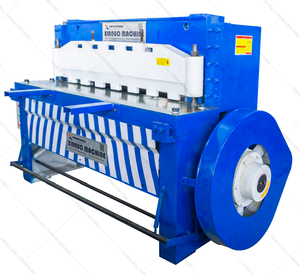
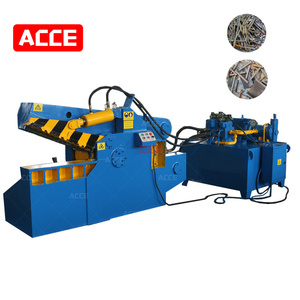
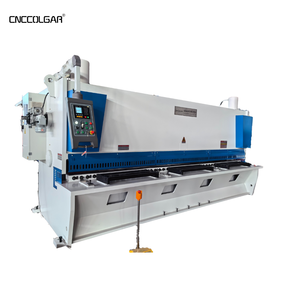
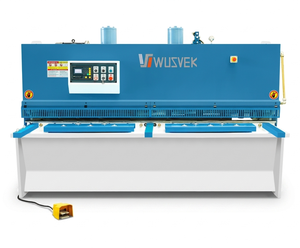
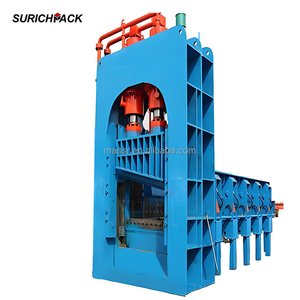
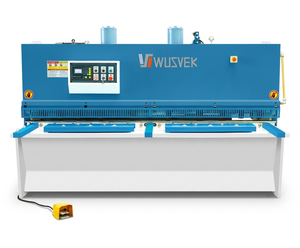
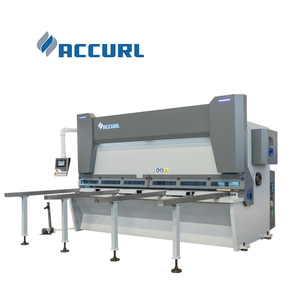
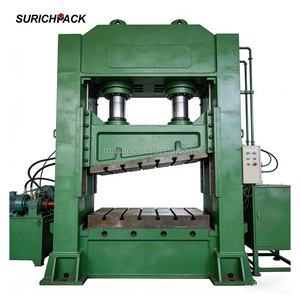
The global metal fabrication industry relies heavily on precision sheet metal cutting and heavy scrap shearing technology. Chinese shearing machine manufacturers have evolved from low-cost machinery builders into advanced automation powerhouses. Modern hydraulic shears produced in China integrate state-of-the-art electro-hydraulic servo systems, stress-relieved steel monoblock frames, and multi-axis CNC backgauges capable of repeatable cutting accuracy within ±0.05 mm.
Information Gain Insight: The core structural advantage of top-tier Chinese shears lies in their heat-treatment and frame-annealing protocols. Leading OEM factories utilize vibrational stress relief (VSR) and large-scale tempering furnaces to guarantee that machine frames experience zero mechanical distortion under continuous high-tonnage operation over 15 to 20 years.
Selecting the optimal metal shear requires a fundamental understanding of blade motion dynamics:
| Technology Vector | Hydraulic Swing Beam Shear | Hydraulic Guillotine Shear | Hydraulic Scrap Gantry Shear |
|---|---|---|---|
| Blade Motion Path | Arc Swing Pivot | Vertical Straight Slide | Heavy Linear Frame Slide |
| Rake Angle Adjustment | Fixed / Minimal Adjustment | Variable CNC Motorized (0.5° - 2.5°) | Fixed Heavy Rake |
| Cutting Thickness Range | 1 mm to 16 mm | 1 mm to 40+ mm | 20 mm to 120+ mm Scrap Steel |
| Edge Distortion Control | Moderate (Slight twist on thin strips) | Ultra-Low (Flat, distortion-free strip) | N/A (Bulk Scrap Shear) |
| Primary Application | General Sheet Metal Workshops | High-Precision Engineering & Heavy Plate | Steel Recycling & Demolition Scrap |
Shearing blade metallurgy determines operational downtime and maintenance costs. Leading Chinese shearing machine manufacturers utilize advanced alloy tool steels depending on the target material tensile strength:
The decision to source shearing equipment from China’s leading industrial hubs (such as Jiangsu, Anhui, and Zhejiang metal machinery zones) offers global buyers significant structural advantages:
Frames are constructed using high-tensile Q235B/Q345B steel plates, welded via robotic arc processes, and subjected to ultrasonic flaw detection to ensure zero void defects.
Integration with premium controllers (Delem DAC-360T, Cybelec CybTouch, ESTUN E21S) enables motorized backgauge position control, automatic blade gap gap calculation, and stroke limiting.
Utilizing Rexroth (Germany) or Sunny (USA) hydraulic valve blocks paired with high-pressure piston pumps ensures fast return strokes powered by nitrogen accumulator cylinders.
As global industrial buyers transition toward smart manufacturing and carbon-neutral production, Chinese shearing machine manufacturers are pioneering several critical technology shifts:
Traditional hydraulic shears run fixed-speed induction motors that continuously pump hydraulic oil, consuming electrical energy even during standby. Modern servo-driven shearing machines utilize AC servo motors to power variable-displacement pumps. The motor only rotates when shearing action occurs. This technological evolution reduces electrical energy consumption by 35% to 50%, significantly lowers hydraulic oil operating temperatures, and extends seal lifecycle.
Manual sheet loading presents labor bottlenecks and safety hazards. High-end Chinese manufacturers now deliver fully integrated shearing cells equipped with pneumatic rear sheet support systems (to prevent thin sheet sagging during backgauge measurement), automatic scrap sorting traps, and magnetic stacker conveyors.
Next-generation CNC guillotine shears incorporate IoT gateways that monitor hydraulic pressure curves, blade temperature, stroke count analytics, and oil contamination levels in real-time. Maintenance teams receive automated alerts for filter replacements and blade rotation schedules, preventing costly unscheduled factory downtime.
Looking ahead, the shear manufacturing sector is moving toward complete autonomous operation and intelligent material recognition:
Key technical considerations answered by senior mechanical application engineers.
Shearing capacity rating is universally standardized against mild carbon steel (tensile strength ~450 N/mm²). Stainless steel (such as 304 or 316 grade) has a significantly higher tensile strength (~650-750 N/mm²). As a rule of thumb, when shearing stainless steel, you must reduce the machine's rated thickness capacity by approximately 40-50%. For example, a 6mm mild steel hydraulic shear is limited to approximately 3mm to 4mm stainless steel. Always verify target material tensile strength with the factory engineering team before finalizing equipment specifications.
Blade gap clearance is the microscopic physical distance between the upper shearing blade and lower stationary blade during the cutting pass. Incorrect blade gap severely impacts cut quality: if the gap is too large, the sheet will bend, burr, or jam between the blades; if the gap is too small, excessive friction accelerates blade edge wear and overloads hydraulic cylinders. Premium CNC shearing machines feature automatic motorized blade gap adjustment governed by the CNC controller based on input sheet thickness and material type.
Routine maintenance includes: (1) Replacing hydraulic oil filter elements after the first 500 operating hours and annually thereafter; (2) Daily monitoring of hydraulic oil level and oil temperature (maintaining under 60°C); (3) Checking nitrogen pressure in the return stroke accumulator cylinders; (4) Rotating rectangular shear blades (most guillotine blades feature 4 cutting edges, while swing beam blades feature 2 or 4 cutting edges) before severe rounding occurs; and (5) Inspecting centralized lubrication pump feeds to the slide guide rails.
For European and Western markets, shearing machinery must comply with CE Machinery Directive standards (such as EN ISO 13857 for safety distances and EN 13985 for shear safety). Essential safety features include front light curtains (photoelectric safety barriers), rear safety fencing with interlocked doors, dual-channel foot pedal safety circuits, and emergency stop buttons located at key operating control stations.
Connect directly with China's leading shearing machine experts. Get personalized material testing reports, detailed CAD layout diagrams, and competitive wholesale quotes tailored to your production demands.
Send an Inquiry