
Engineered for precision sheet metal cutting, high-speed non-metallic engraving, micro-electronics manufacturing, and industrial automated production lines.
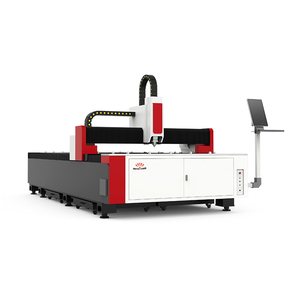
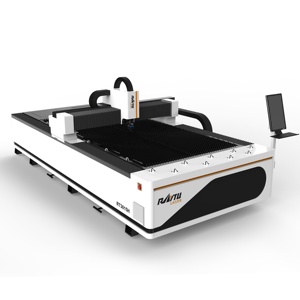
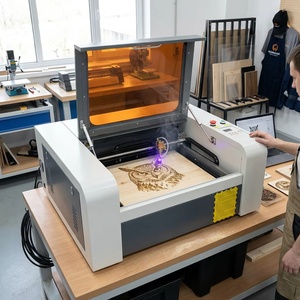
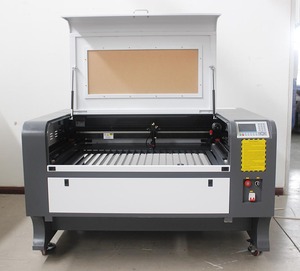
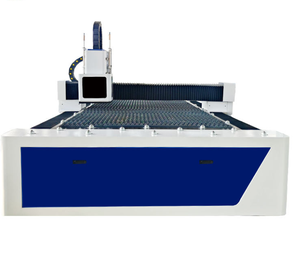
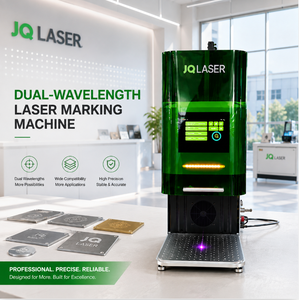
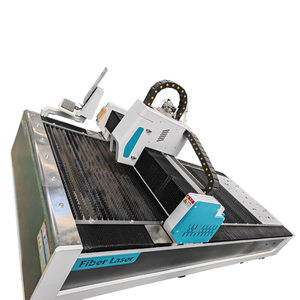
The global industrial laser landscape has undergone a seismic shift over the past decade. China has transformed from an assembly hub into the world's primary epicenter for advanced laser optics development, high-power fiber light source manufacturing, and CNC motion control innovation. For overseas OEM buyers, procurement managers, and production shop operators, selecting the right partner among China best laser engraver manufacturers & factories requires a rigorous evaluation of machine metallurgy, optical path stability, thermal dynamics, and servo system tuning.
A true industrial laser engraving and cutting platform is defined by its mechanical foundational integrity. Leading original equipment manufacturers (OEMs) employ heavy-duty welded steel plate beds that undergo high-temperature anneal stress-relieving processes at temperatures exceeding 600°C. This prevents frame warping or micro-deformations across decades of continuous high-gantry acceleration. Coupled with precision-machined gantry structures crafted from aerospace-grade extruded aluminum alloys, top-tier factories maintain tight tolerances down to ±0.015mm per meter.
Entire machine frames undergo 600°C heat treatment and vibration aging in specialized furnace pits to eliminate structural stress prior to milling.
Integration of Japanese Yaskawa Sigma-7 and Fuji absolute encoder servos ensures zero step loss, high torque response, and anti-vibration control.
Laser heads feature auto-focus capacitive sensors (Raytools/WSX) and anti-reflective coated optical doublets to preserve maximum beam quality (M² < 1.2).
To assist technical buyers in identifying authentic factory quality versus basic trading company assembly, the table below outlines the industrial specifications standard across tier-1 Chinese laser manufacturing facilities:
| Evaluation Parameter | Tier-1 Factory Standard (Recommended) | Entry-Level Assembly Standard | Operational Business Impact |
|---|---|---|---|
| Laser Generator Source | IPG Photonics, Raycus Higher-Tier, MAX Photonics Bus Type | Glass Tube Unbranded / Uncalibrated Fiber | 100,000+ hours MTBF, beam stability within ±1%, consistent penetration depth. |
| CNC Motion Control | Friendess CypCut / CypOne Ethernet Bus Systems | Pulse-type USB card control | Real-time height sensing, micro-joint cutting, automatic nesting, leapfrog movement. |
| Guide Rails & Racks | Taiwan HIWIN / PMI Linear Rails + YYC Helical Racks | Generic Spur Gears & Standard Ball Bushings | Resists lateral shear forces during 1.5G accelerations; retains accuracy for 10+ years. |
| Electrical Protection | Schneider Electric Components + Sealed Dust-Proof Cabinet | Unshielded Open Wiring Harness | Eliminates high-frequency electromagnetic interference and thermal shutdown. |
As smart manufacturing initiatives accelerate globally under Industry 4.0 guidelines, Chinese laser engraver and cutter manufacturers are driving four pivotal technological breakthroughs:
1. Ultra-High Power Scaling & Gas Savings Technology: The industry is rapidly moving past traditional 6KW and 12KW thresholds toward 30KW, 40KW, and 60KW fiber laser platforms. Coupled with high-pressure air cutting systems and gas-mixing technology, modern Chinese fiber cutters cut thick stainless steel and carbon steel plates at a fraction of the operating cost of pure liquid oxygen or nitrogen.
2. Hybrid Dual-Light-Source Integration: For fine crafting, micro-electronics, and promotional product manufacturing, multi-wavelength machines combining 1064nm Fiber generators with 455nm Blue Diode or 10.6μm CO2 optical paths are emerging as market leaders. These hybrid systems enable operators to engrave reflective non-ferrous metals and cut organic acrylics on a single setup without mechanical tool changes.
3. Computer Vision & Automated AI Material Alignment: Advanced camera positioning systems (such as top-mounted panoramic HD cameras and visual galvo positioning) are replacing manual workpiece zeroing. Artificial intelligence algorithms scan irregularly shaped material scraps, automatically nest graphics onto usable sectors, and compensate for material tilt in milliseconds.
4. Intelligent Bus-Controlled Laser Processing Heads: Modern processing heads incorporate real-time temperature monitoring sensors, protective window pollution alerts, and auto-zooming optical elements that dynamically adjust beam waist size depending on material thickness—dramatically reducing setup times for mixed-batch manufacturing.
Navigating direct factory procurement from China requires an understanding of evolving global supply chain strategies. Professional buyers are shifting away from transactional purchasing toward deep strategic factory partnerships. Key procurement strategies include:
Leading enterprises are increasingly leveraging direct relationships with top-tier Chinese manufacturers to build customized machinery tailored to regional safety standards (such as CE, FDA, UL, and CSA certifications). Factories offer specialized machine envelope dimensions, custom bed loading tables, integrated dust extraction filtration units, and customized software GUIs translated into over 30 languages.
Smart procurement managers assess laser engravers not merely on initial FOB purchase price, but on Total Cost of Ownership across a 5-to-10-year lifespan. China’s standardized component ecosystem allows buyers to source consumable optics (protective lenses, copper nozzles, ceramic rings) and standardized replacement drives directly from factory stock at up to 70% lower costs than regional third-party agents, significantly minimizing factory downtime.
Essential questions answered by laser application engineers to help you evaluate factory credentials and select the correct machine platform.
CO2 laser engravers (typically 10.6μm wavelength) excel at processing non-metallic materials such as wood, acrylic, glass, leather, paper, and organics. Fiber lasers (1064nm wavelength) are specially tuned for metallic materials (carbon steel, stainless steel, aluminum, brass, copper) and engineered plastics, delivering vastly superior speed and precision on metals.
Always audit ISO9001 quality management systems, CE/FDA safety compliance certificates, third-party inspection reports (TÜV / SGS), laser interferometer accuracy calibration sheets, and verify that the factory uses dedicated 5-axis CNC gantry milling machines for frame fabrication.
Premium fiber laser sources (IPG, Raycus, MAX) feature a Mean Time Between Failures (MTBF) of over 100,000 operational hours (approx 8-10 years of multi-shift operation). In contrast, sealed CO2 glass laser tubes (RECI, EFR) have a typical lifespan of 8,000 to 12,000 hours before requiring gas re-fill or tube replacement.
Top-tier manufacturers provide lifetime remote diagnostic engineering support via internet access, video assistance, and dedicated tech groups. Replacement parts are dispatched via express air freight (DHL/FedEx) within 24–48 hours. Major factories also offer on-site engineer deployment for commissioning and operator training.