
Engineered with stress-relieved steel frames, high-rigidity spindles, and advanced servo control systems for continuous industrial output.
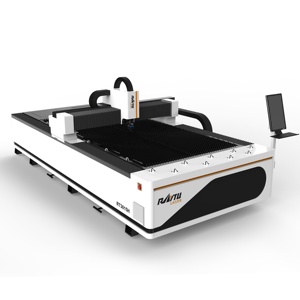
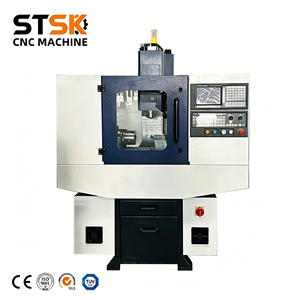
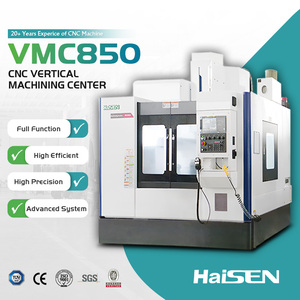
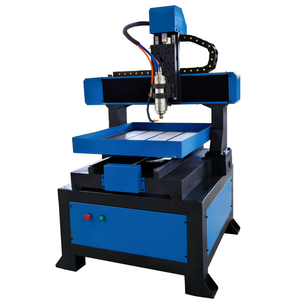
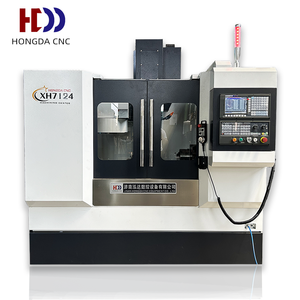
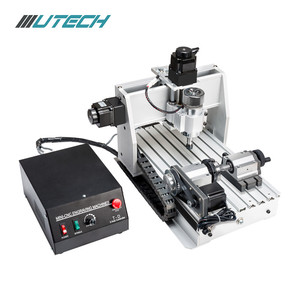
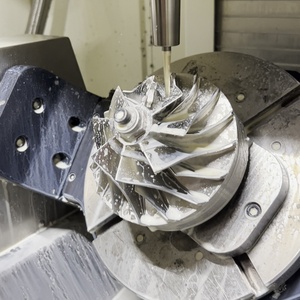
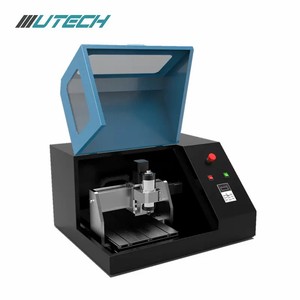
Combining 40+ years of cumulative mechanical engineering experience with rigorous quality management protocols compliant with global industrial benchmarks.
Every structural bed frame undergoes high-temperature annealing and mechanical vibration stress relief (VSR) to eliminate structural tension. This guarantees zero frame deformation over decades of continuous heavy-duty metal removal.
All linear axes are aligned using German Renishaw laser interferometers and dynamic ballbar testing instruments. Positioning repeatability is certified down to ±0.003mm, matching stringent European and Japanese tolerance guidelines.
We provide full-lifecycle technical support, custom table scaling, tool changer configurations, and rapid spare-parts dispatch within 24 hours. Our multi-lingual field application engineers ensure effortless site commissioning worldwide.
The global CNC machine tool ecosystem has experienced a seismic paradigm shift over the past decade. China has transformed from a low-cost machine assembly hub into a global powerhouse for high-rigidity 5-axis vertical machining centers (VMCs), precision fiber laser cutting work centers, and dynamic CNC routing equipment. For procurement directors, plant managers, and industrial importers, evaluating suppliers requires looking beyond superficial hardware costs to scrutinize dynamic thermal stability, control loop response latency, dynamic tool-tip positioning error, and total cost of ownership (TCO).
This industry report delves into the structural, mechanical, and electronic components that define top-tier Chinese CNC equipment. It serves as a comprehensive buyer's manual for evaluating machine tool rigidity, drive kinematics, and long-term operating return on investment (ROI).
Core Procurement Metric: A machine tool's value is determined by its ability to preserve spatial accuracy under heavy cutting forces across thousands of operating hours—not just its initial factory bench tolerance.
When selecting between 3-axis routers, 4-axis VMCs, 5-axis simultaneous machining centers, and high-power fiber laser cutters, structural rigidity must match the specific cutting loads and target material properties of your shop floor.
| Machine Platform | Kinematic Drive System | Typical Spindle / Energy Source | Optimal Workpiece Material | Positional Accuracy (ISO 230-2) |
|---|---|---|---|---|
| 3-Axis Precision Router | Preloaded C3 Ballscrew / Helical Rack | 3.2KW - 9KW Air/Water Cooled (24k RPM) | Aluminum, Composites, Wood, HDPE | ±0.020 mm / 300mm |
| 4-Axis VMC Milling Center | Ground Ballscrew + Harmonic Rotary Table | BT40 / SK40 Belt or Direct Drive (12k RPM) | Structural Steel, Alloy Steels, Copper | ±0.005 mm |
| 5-Axis Simultaneous VMC | Direct Drive Motors (DD) + Linear Motors | HSK-A63 High-Speed Direct Drive (18k-24k RPM) | Titanium, Inconel, Medical Alloys, Aerospace | ±0.003 mm |
| High-Power Fiber Laser | Dual Drive Gantry Rack & Pinion | 3KW - 30KW Solid State Fiber Laser Resonator | Carbon Steel, Stainless, Brass, Aluminum | ±0.030 mm / m |
Procurement strategies for machine tools are moving away from piecemeal equipment purchases toward fully integrated automated cell solutions. Procurement leaders should prioritize several major trends over the next five-year planning cycle:
Modern CNC machine tools supplied by top Chinese exporters are increasingly equipped with integrated vibration sensors, thermal expansion thermistors, and IoT edge gateways. These sensors measure real-time spindle imbalance, bearing wear, and thermal drift of the machine gantry, feeding data directly to cloud-based predictive maintenance systems. This prevents unexpected tool catastrophic failure and drastically reduces unplanned shop downtime.
As part geometry complexity increases across automotive, aerospace, and renewable energy sectors, multi-setup 3-axis milling is rapidly being replaced by 5-axis single-setup machining ("Done-in-One" manufacturing). Purchasing 5-axis machinery cuts cumulative fixture error, eliminates intermediate manual bench positioning, and drastically reduces total cycle times for multi-sided components.
Power consumption has become a major line item in operating expenses. Advanced Chinese suppliers are equipping modern CNC mills with regenerative braking drives, automated idle sleep systems, and high-efficiency variable-frequency drives (VFDs) for coolant delivery systems. These upgrades lower electrical power consumption by up to 28% under continuous duty cycles.
The next decade of CNC innovation is being driven by breakthroughs in dynamic control algorithms, direct-drive motor technology, and hybrid additive-subtractive manufacturing integration:
When sourcing CNC machines internationally, overseas buyers should conduct thorough factory audits based on four key structural verification steps:
Clear guidance addressing common questions about international machine delivery, system installation, operating requirements, and factory warranties.
Selecting the optimal axis setup depends on component complexity and material hardness. A 3-axis router or milling machine excels at flat panel processing, sheet cutting, and surface profiling. A 4-axis VMC adds an integrated rotary table, ideal for cylindrical parts or machining features on multiple sides of a part without manual repositioning. A 5-axis simultaneous VMC is required for complex organic shapes, turbomachinery impellers, aerospace brackets, and deep-cavity molds where multi-angle tool orientation is essential.
Our CNC machinery supports mainstream industry controllers including Fanuc, Siemens 828D/840D, Syntec, Weihong, GSK, and NC Studio. All these control systems use international standard ISO G-code and M-code formats, ensuring seamless compatibility with leading CAM software like Mastercam, PowerMill, SolidCAM, Fusion 360, and Artcam.
Every exported CNC unit undergoes a thorough multi-stage export packaging process. All polished metal surfaces and linear guide rails are coated with anti-rust oil. The machine is wrapped in thick anti-moisture vacuum film with silica gel desiccant packs, secured to heavy steel skid bases, and sealed inside fumigated IPPC-certified plywood crates designed for ocean freight transport.
Industrial vertical machining centers and high-power fiber lasers typically require 3-phase 380V / 50Hz or 3-phase 220V / 60Hz power. Portable desktop CNC routers can be custom-wired for single-phase AC 110V or 220V power. We supply tailored voltage transformers to match your regional electrical grid specs prior to factory shipment.
We provide a standard 2-year warranty on major mechanical components and core optical/laser sources. Technical support is available 24/7 through remote diagnostic desktop connections, video calls, dynamic troubleshooting documentation, and immediate spare-parts dispatch. If on-site setup is needed, our field service engineers can be deployed directly to your facility for machine assembly, commissioning, and staff operation training.
Request an engineered quotation, technical drawings, or machine configuration analysis tailored to your shop's material requirements and production schedule.